
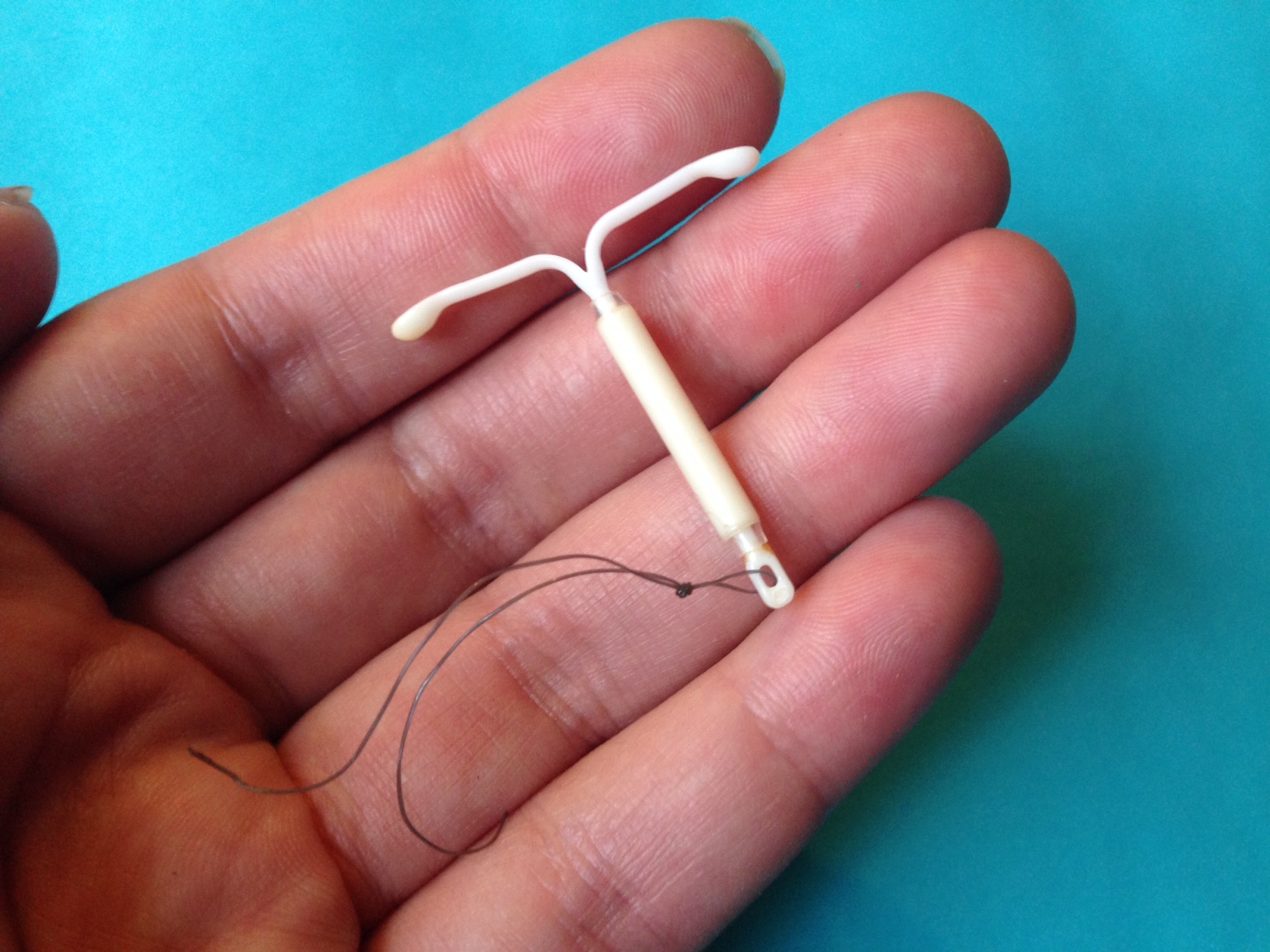
Yes, IUD insertion can hurt, and for some women the pain is intense. Most women feel strong cramping while the IUD is placed, and cramping can continue for hours or days afterward. Your pain is real, and you don’t have to just push through it: pain management options, like numbing the cervix with lidocaine, can make insertion much more comfortable.
If you’ve been reading IUD stories online, you’ve probably seen everything from “barely felt it” to “worst pain of my life.” Both are real experiences, and neither should be brushed off. Too many women have been told IUD insertion is “just a pinch,” only to find it was much more than that. You deserve to know honestly what to expect, and to have your pain taken seriously.
Here’s an honest guide to what IUD insertion feels like, what actually helps with the pain, and what recovery looks like, from Dr. David Kim, a board-certified OB-GYN in Los Angeles.
What Does IUD Insertion Feel Like?
Knowing each step can make the experience feel a lot less scary. Here’s what typically happens:
- Speculum. Just like a Pap smear, a speculum is placed to see your cervix. Most women feel pressure.
- Cleaning the cervix. The cervix is cleaned with an antiseptic solution, like Betadine. This can feel cold.
- Numbing the cervix. Lidocaine is injected around the cervix (a paracervical block) to numb it. You may feel a quick pinch or sting as it goes in. At Yunella, we always do this step before anything else touches the cervix.
- Steadying the cervix. A small instrument called a tenaculum holds the cervix in place. Without numbing, many women feel a sharp pinch or cramp here.
- Measuring the uterus. A thin tool is passed through the cervix to measure the depth of your uterus. This is often the crampiest moment.
- Placing the IUD. The IUD is inserted through a thin tube, and its arms open inside the uterus. You may feel a strong cramp for a few seconds.
- Trimming the strings. The strings are cut so about an inch sits near your cervix. You won’t feel this.
The uncomfortable part usually lasts only a minute or two. The entire visit, including talking through questions, is usually under 30 minutes.
How painful is IUD insertion?
Pain varies a lot. Many women rate it as moderate, similar to bad period cramps, and some describe sharp, intense cramps for a few moments. A few factors can affect how it feels:
- Whether you’ve given birth vaginally. Women who have had a vaginal delivery often have less pain, since the cervix has stretched before.
- Anxiety. Feeling tense can make pain feel worse, which is one reason knowing what to expect really helps.
- Painful periods. Women who usually have bad cramps may feel more cramping during and after insertion.
- The size of the IUD. Smaller IUDs like Kyleena and Skyla have a slightly narrower insertion tube than Mirena or the copper IUD.
Do you feel dizzy or faint during IUD insertion?
Some women feel lightheaded, sweaty or nauseated during or right after insertion. This is a reflex response to the cervix being touched, and it usually passes within a few minutes of lying down. Eating something beforehand can help.
IUD Insertion Pain Relief: What Actually Helps
For years, many women were simply told to take ibuprofen and expect some cramping. That’s changing. In 2024, the CDC updated its contraception guidelines to recommend that doctors talk with patients about pain before IUD placement and offer numbing options like lidocaine. Here’s what the research says:
Options that can help
- Lidocaine (numbing medicine). It can be given as an injection around the cervix (a paracervical block), or as a gel or spray. The CDC notes these may reduce pain during placement.
- Talking it through. Knowing what’s coming, having your doctor tell you before each step, and being able to say “pause” makes a real difference for many women.
- Breathing and distraction. Slow, deep breaths, music in your headphones, or holding someone’s hand can help your body stay relaxed.
- Anti-anxiety medicine. If anxiety is a big part of your fear, ask whether a medication to help you relax is an option for you. You’ll need someone to drive you home.
- A heating pad afterward. Heat on your lower belly helps with cramping once you’re home.
What doesn’t help as much as you’d think
- Ibuprofen before insertion. It doesn’t do much for pain during placement, but it does help with cramping afterward, so it’s still worth taking.
- Misoprostol to soften the cervix. It’s sometimes used, but research shows it doesn’t reliably reduce pain and can cause cramping, nausea and diarrhea. The CDC doesn’t recommend it routinely.
The most important thing: ask. Tell your doctor if you’re nervous or have had a painful exam before. A good doctor will make a pain plan with you, not dismiss you.
Cramping After IUD Insertion: What’s Normal
Most women feel cramping for the rest of the day, and many have on-and-off cramps and spotting for a few days to a few weeks as the uterus adjusts. To feel better:
- Take ibuprofen or naproxen as directed on the label
- Use a heating pad
- Rest for the rest of the day if you can. Most women go back to work or normal activities the next day, or even the same day.
How long does cramping last after an IUD?
The strongest cramps usually ease within a day or two. Mild cramping can come and go for the first few weeks. With hormonal IUDs, spotting or irregular bleeding is common for the first three to six months, and periods often become lighter over time. With the copper IUD, periods can be heavier and crampier, especially in the first few months.
When to call your doctor after IUD insertion
Call right away if you have:
- Severe pain that doesn’t get better with ibuprofen or keeps getting worse
- Fever or chills
- Heavy bleeding (soaking a pad an hour)
- Unusual or foul-smelling discharge
- Pain during sex
- Strings that feel much longer or shorter, or you can feel the hard plastic of the IUD
These can be signs of infection, or that the IUD has moved, which is uncommon but important to check.
Mirena vs. Kyleena vs. Copper IUD: Does One Hurt Less?
- Kyleena and Skyla are smaller hormonal IUDs with a narrower insertion tube. They’re sometimes a good fit for women who haven’t given birth, though any IUD can be used.
- Mirena and Liletta are slightly larger hormonal IUDs. They last longer and are more likely to make periods very light or stop them.
- The copper IUD (Paragard) is hormone-free, but it can make periods heavier and crampier, which is worth considering if you already have painful periods.
The insertion feels similar for all of them. The bigger difference is how each one affects your periods afterward, so it’s worth choosing based on your goals. Learn more about birth control options.
IUD Insertion: Frequently Asked Questions
Does IUD insertion hurt more if you haven’t had a baby?
It can. Women who haven’t given birth vaginally often feel more cramping, because the cervix hasn’t been stretched before. That doesn’t mean you can’t get an IUD. It just makes a pain plan even more worth asking for.
Is it better to get an IUD during your period?
You can get an IUD at any point in your cycle as long as you’re not pregnant. Some women find it a little easier during their period because the cervix may be slightly softer, but research hasn’t shown a big difference in pain.
How long does IUD insertion take?
The placement itself usually takes about five minutes. The most uncomfortable part typically lasts a minute or two.
How bad does an IUD hurt on a scale of 1 to 10?
There’s no single answer. In studies, many women rate IUD insertion somewhere in the middle of the scale, often around a 5 to 7 at the most intense moment, while some rate it lower and some higher. The strongest pain usually lasts only seconds to a minute or two. Numbing with a paracervical block can bring that number down.
Does an IUD hurt more than a Pap smear?
Usually, yes. A Pap smear mostly causes pressure from the speculum. IUD insertion starts the same way, but placing the IUD through the cervix causes cramping that a Pap smear doesn’t. The good news is that the crampy part is short, and you can ask for pain relief.
Can I drive home after getting an IUD?
Usually yes, unless you took a medication for anxiety or sedation. Some women like to have someone with them in case they feel crampy or lightheaded.
Does IUD removal hurt?
Removal is usually much easier than insertion. Most women feel a quick cramp as the IUD slides out, and it takes only a few seconds.
How soon does an IUD work?
It depends on the type and when it’s placed in your cycle. Copper IUDs work right away. Hormonal IUDs work right away if placed within the first seven days of your period; otherwise, use a backup method like condoms for seven days. Your doctor will tell you what applies to you.
Can I get an IUD after having a baby?
Yes. Many women get an IUD at their postpartum checkup, and insertion is often easier after a vaginal birth. Hormonal IUDs are safe while breastfeeding.
Getting an IUD at Yunella
We know a lot of women come in nervous about getting an IUD. Maybe you’ve read the stories online, or a friend told you about a painful experience. That fear and anxiety is real, and we take it seriously. At Yunella Women’s Health, we do everything we can to make IUD insertion as comfortable as possible, and that starts with planning ahead and using pain relief every time.
We’ve also listened to our patients. Based on their feedback, every IUD insertion at Yunella now includes a heat pack to ease cramping and a stress ball to squeeze during the procedure. Small things, but our patients told us they make a real difference.
Here’s how it works:
- Consultation with Dr. Kim. You and Dr. Kim talk through your goals and health history and choose the IUD that’s right for you. This is also a good time to share any worries or past painful exams, so we can plan around them.
- We order your IUD through your insurance. We don’t keep IUDs in stock. Instead, we order yours specifically for you and verify your coverage before your insertion appointment, so there are no surprises.
- Numbing first, every time. After your cervix is cleaned, and before any instrument is used to steady it, Dr. Kim injects lidocaine around the cervix (a paracervical block). Numbing comes first, so the steps that tend to cause the most discomfort happen after it has taken effect. Dr. Kim then places your IUD, telling you what’s happening along the way. The whole procedure takes about five minutes.
- A follow-up ultrasound at one month. We do an in-office ultrasound to make sure your IUD is in the right place and hasn’t moved.
Why Dr. Kim often recommends Mirena
Dr. Kim usually recommends Mirena because it lasts the longest of the hormonal IUDs, up to eight years for birth control. Many women also prefer a hormonal IUD to the pill because the hormone works mainly inside the uterus. With birth control pills, the hormones circulate through your whole bloodstream. With Mirena, much less of the hormone reaches the rest of your body.
The right IUD still depends on you, and we’ll go over every option together. If you’re not sure an IUD is right for you, we can walk you through all of your birth control options.
Ready to talk about it? Book a visit, read what our patients say, or call us at (424) 404-8832.
This article is for general education and isn’t a substitute for medical advice. Talk with your doctor about what’s right for you.
Medically reviewed by David Seil Kim, MD, PhD, MBA, FACOG · Last reviewed: November 5th, 2026