
Home/Services/Endometriosis & Pelvic Pain
Endometriosis & Pelvic Pain
You have probably been told this is normal.
The average patient with endometriosis waits years for a diagnosis, usually after being told that painful periods are part of being a woman. Pain that keeps you from work, from sleep, or from sex is not something to manage quietly. It is something to evaluate.
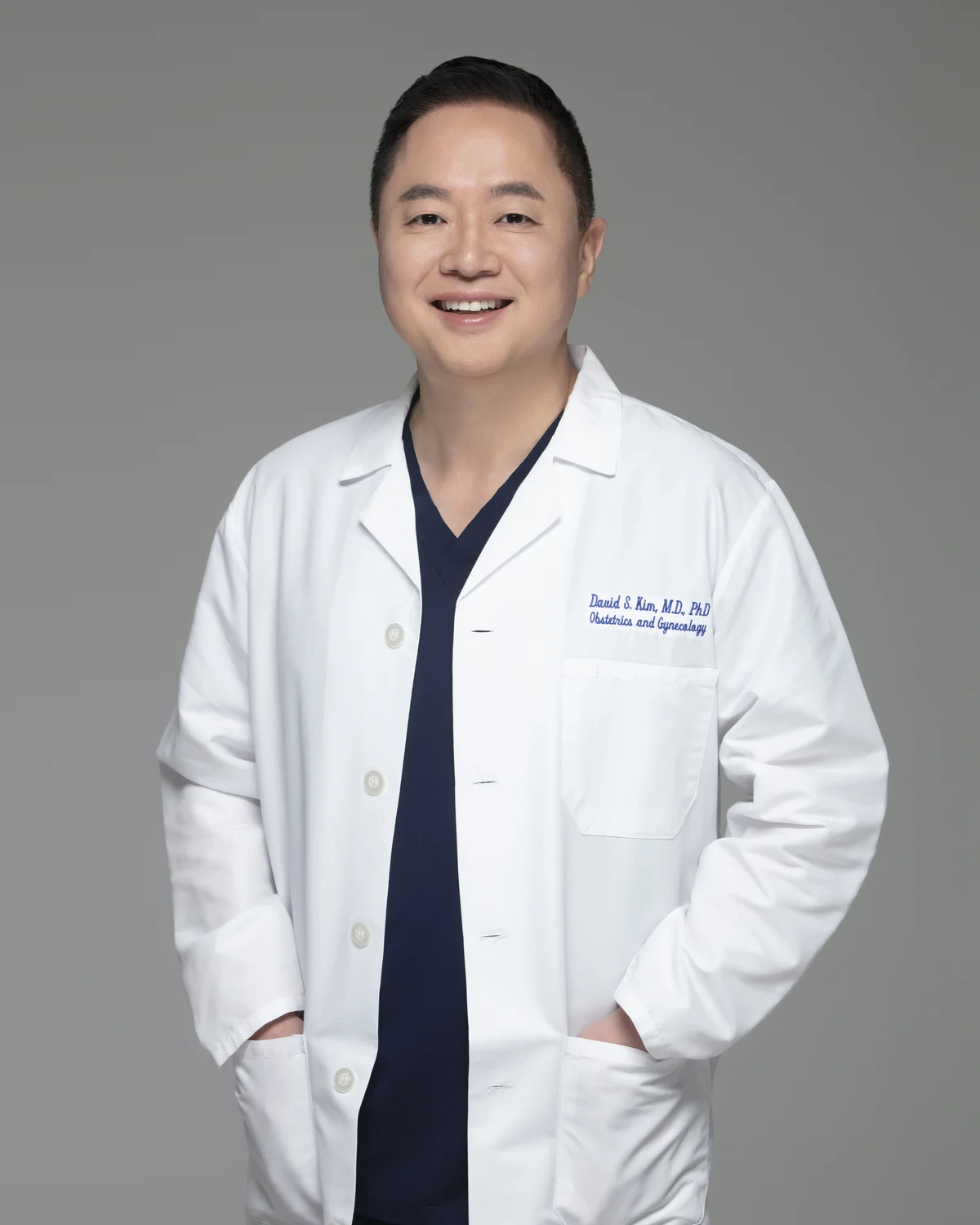
Your physician
Nearly thirty years of taking this seriously.
Pelvic pain is genuinely difficult to work up, which is why it is so often dismissed. The difference is a physician with the time to take a full history, the ultrasound in his own hands, and the surgical experience to know what can and cannot be seen without looking directly.
- ExperienceNearly 30 years in obstetrics & gynecology
- Cedars-Sinai Medical Center15 years · OB/GYN residency faculty
- American Board of Obstetrics & GynecologyOral board examiner
- Los Angeles Magazine Top Doctor2020–2024 · 2026
What we evaluate and treat
Pain that has a cause worth finding.
Pelvic pain rarely has a single explanation, and the useful evaluation is the one that separates the causes rather than treating them all at once. What follows is what is assessed here.
Endometriosis
- Endometriosis is tissue similar to the uterine lining growing outside the uterus, and it causes pain that is often cyclical at first and constant later.
- It does not reliably show on ultrasound, which is one reason it is missed for years. Ultrasound is still done, because it finds endometriomas and rules out other causes.
- Definitive diagnosis is made surgically, at laparoscopy. That is a real decision, and it is discussed properly rather than scheduled reflexively.
- Medical management first is appropriate for many patients. Laparoscopic surgery is there when it is not enough.
Painful periods and chronic pelvic pain
- Period pain that stops you functioning is not the same as cramps, and the distinction is worth making out loud at the first visit.
- Pain lasting six months or more is evaluated as its own problem, with attention to bladder, bowel, musculoskeletal and nerve contributors alongside gynecologic ones.
- Adenomyosis — endometrial tissue within the uterine wall — causes heavy, painful periods and is frequently overlooked.
- A pain history takes time. Appointments here are scheduled long enough for one.
Painful intercourse
- Pain with sex has causes that are findable, and it is worth saying plainly that most patients have not been asked about it directly.
- Deep pain, pain at entry and pain afterwards point in different directions — endometriosis, pelvic floor muscle spasm, vulvar conditions, and vaginal dryness among them.
- Genitourinary symptoms of menopause are a common and highly treatable cause after 45. See menopause care.
- Where pelvic floor physical therapy is the right answer, we say so and refer.
Ovarian cysts
- Most ovarian cysts are functional and resolve on their own. Finding one on a scan is not, by itself, a reason for surgery.
- Evaluation is by ultrasound performed by Dr. Kim, with attention to features that distinguish simple cysts from those needing follow-up.
- Endometriomas — cysts caused by endometriosis — behave differently and are managed with fertility in mind where that matters.
- When removal is warranted, ovarian cystectomy is usually laparoscopic and preserves the ovary.
How long has this been going on?
If the answer is years, you are in the majority — and that is exactly the reason to have it evaluated properly rather than managed for another year.
What to expect
How the evaluation works.
- A long first visitA full pain history: when it happens, where it is, what makes it worse, what you have already tried, and what it stops you doing. This takes time and is scheduled accordingly.
- Examination and ultrasoundA pelvic exam and an ultrasound performed by Dr. Kim in the office, looking for endometriomas, fibroids, adenomyosis and other structural causes.
- A working diagnosis, honestly statedEndometriosis often cannot be confirmed without surgery. We will tell you what is likely, what is uncertain, and what would change the answer.
- Medical management first, usuallyHormonal and non-hormonal options, tried properly and reassessed on a set timeline rather than left running indefinitely.
- Surgery, if it is warrantedLaparoscopy both diagnoses and treats. Dr. Kim performs the surgery himself at Cedars-Sinai, and fertility preservation is part of the plan from the outset where it matters to you.
This page is general information and is not medical advice. Sudden, severe pelvic pain — particularly with fever, fainting, or in early pregnancy — needs urgent assessment; call the office or go to an emergency room.
Explained
Endometriosis and pelvic pain, explained.
What each of these means, how it is evaluated, and why the diagnosis so often takes years.
Endometriosis
Endometriosis is tissue similar to the lining of the uterus growing outside it — on the ovaries, the pelvic lining, or elsewhere in the pelvis. It responds to hormonal cycles, which is why the pain is often cyclical at first and becomes more constant over time.
It does not reliably appear on ultrasound, which is a large part of why diagnosis is delayed by years for many patients. Ultrasound is still performed, because it identifies endometriomas and rules out other causes. Definitive diagnosis is made at laparoscopy.
Chronic pelvic pain
Pelvic pain lasting six months or longer is treated here as its own problem rather than as a symptom waiting for a diagnosis. Gynecologic causes are assessed alongside bladder, bowel, musculoskeletal and nerve contributors, because more than one is often present.
The evaluation starts with a long history: when the pain occurs, where it is, what makes it worse, and what has already been tried. Appointments are scheduled with room for that conversation.
Painful periods
Period pain that stops you working, sleeping or leaving the house is different from cramps, and the distinction is worth making explicitly. Pain that has worsened over years, or that no longer responds to over-the-counter medication, warrants evaluation.
Common causes include endometriosis, adenomyosis and fibroids. Adenomyosis — endometrial tissue within the uterine wall — causes heavy, painful periods and is frequently overlooked.
Painful intercourse
Pain with sex has identifiable causes, and where the pain occurs points toward different ones. Deep pain suggests endometriosis or pelvic pathology; pain at entry more often reflects pelvic floor muscle spasm, vulvar skin conditions or vaginal dryness.
After 45, genitourinary symptoms of menopause are a common and highly treatable cause. See menopause and hormonal health. Where pelvic floor physical therapy is the right answer, we say so and refer.
Ovarian cysts
Most ovarian cysts are functional — a normal part of ovulation — and resolve within one or two cycles without treatment. Finding one on a scan is not by itself a reason for surgery.
Evaluation is by ultrasound performed in the office, with attention to features that distinguish simple cysts from those needing follow-up or removal. Endometriomas, caused by endometriosis, behave differently and are managed with fertility in mind where that matters to you.
Questions
What patients ask first.
How is endometriosis diagnosed?
Suspected from your symptoms and examination, supported by ultrasound, and confirmed at laparoscopy. Ultrasound can show endometriomas but does not reliably show endometriosis itself, which is a large part of why diagnosis is so often delayed.
Do I need surgery to find out what is wrong?
Not necessarily, and not usually as a first step. Many patients are managed medically once the likely diagnosis is clear. Surgery is considered when symptoms do not respond, when there is a mass to address, or when fertility is affected.
Does endometriosis affect fertility?
It can, though many patients with endometriosis conceive without difficulty. If you are trying to conceive or plan to, tell us early — it changes both the medical options and the surgical approach.
I have an ovarian cyst. Does it need to come out?
Usually not. Most cysts are functional and resolve within a cycle or two. Removal is considered based on size, ultrasound characteristics, symptoms and whether it persists — not on the finding alone.
Sex is painful. Is that a gynecologic problem?
It can be, and it is worth raising. Causes include endometriosis, pelvic floor muscle spasm, vulvar skin conditions and vaginal dryness — which are treated very differently from one another, so identifying which one is the point of the visit.
Why does endometriosis take so long to diagnose?
Because it does not show reliably on imaging, because period pain is widely normalised, and because definitive diagnosis requires surgery. The delay is well documented and is measured in years for many patients, which is exactly why the history taken at the first visit matters.
What is adenomyosis, and how is it different from endometriosis?
Adenomyosis is endometrial tissue within the muscular wall of the uterus itself, rather than outside the uterus. It typically causes heavy, painful periods and an enlarged, tender uterus, and it can occur alongside endometriosis.
Where can I see an endometriosis specialist in Los Angeles?
Yunella Women's Health evaluates and treats endometriosis and pelvic pain on San Vicente Boulevard in Los Angeles, with laparoscopic surgery performed by Dr. Kim at Cedars-Sinai Medical Center.
More on coverage and cost: Insurance & Payment. General questions: FAQs.
Start here
Pain that interferes with your life is a reason to be seen.
Bring the history you have been carrying. The first visit is scheduled long enough to hear all of it.
Or call (424) 404-8832 · 6330 San Vicente Blvd, Suite 418, Los Angeles, CA 90048