
Home/Services/Gynecologic Surgery
Gynecologic Surgery
The surgeon is the physician who has been watching this all along.
Most gynecologic surgery is handed off. One physician finds the problem, another operates, and you meet the second one two weeks beforehand. At Yunella, the person who scanned you, explained the options and knows what matters to you is the person in the operating room.
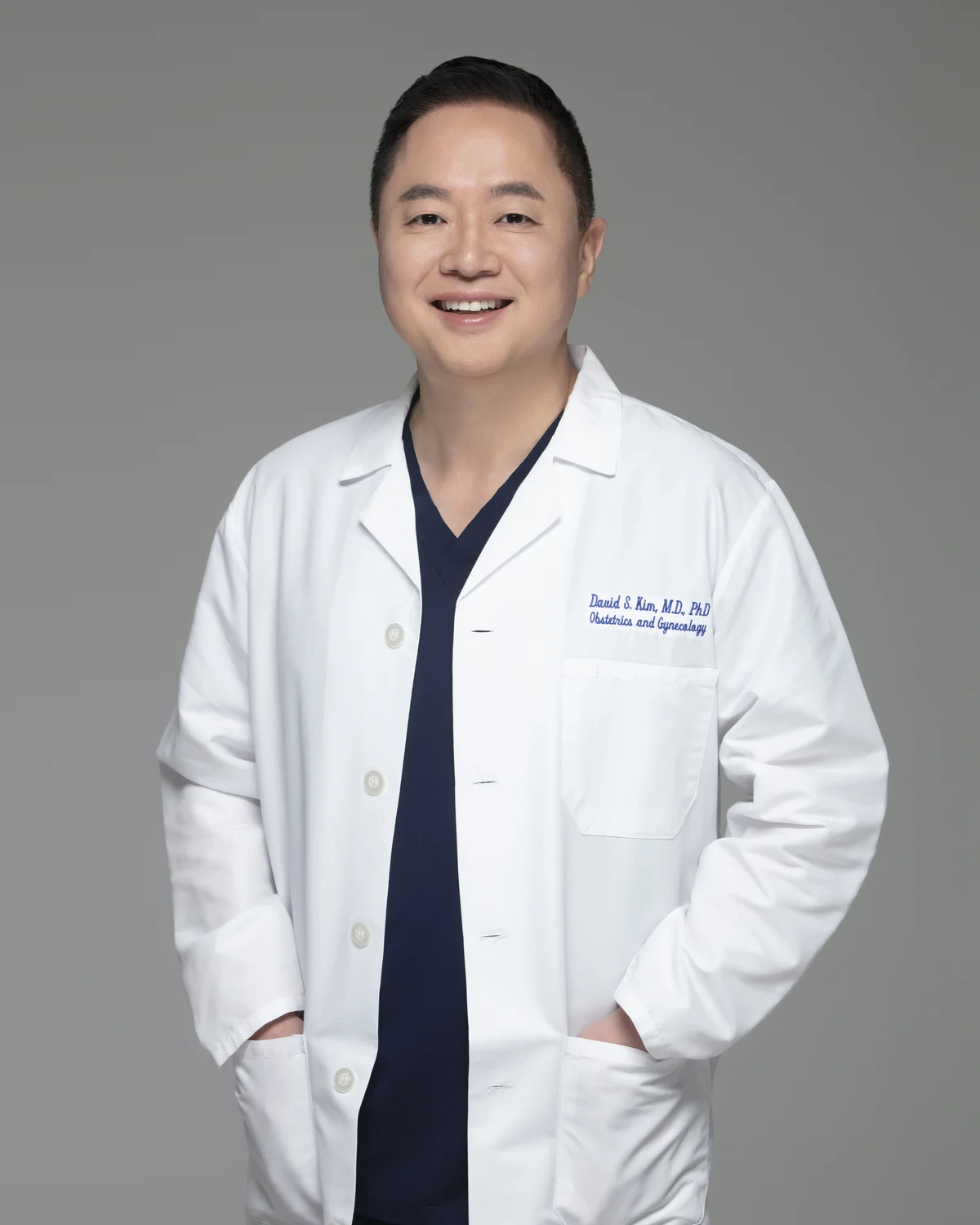
Your physician
Nearly thirty years, and a strong bias toward the smallest operation that works.
The question is rarely whether an operation is possible. It is whether it is the right one, whether a smaller one would do, and what it costs you in recovery and in future fertility. That conversation is worth more than the technique.
- ExperienceNearly 30 years in obstetrics & gynecology
- Cedars-Sinai Medical Center15 years · OB/GYN residency faculty
- American Board of Obstetrics & GynecologyOral board examiner
- Los Angeles Magazine Top Doctor2020–2024 · 2026
What is performed
Minimally invasive wherever it is the better operation.
Laparoscopic and hysteroscopic approaches mean smaller incisions or none at all, less pain, and a faster return to normal life. They are not right for every case, and where an open approach is safer we say so.
Fibroid surgery
- Laparoscopic myomectomy — removal of fibroids through small abdominal incisions, leaving the uterus in place.
- Hysteroscopic myomectomy — removal of fibroids inside the cavity through the cervix, with no incision at all.
- Which applies depends on where the fibroids sit rather than how many there are. That is decided from an ultrasound Dr. Kim performed himself.
- Background: fibroids and abnormal bleeding.
Polyps, endometriosis and cysts
- Hysteroscopic polypectomy — removal of uterine polyps through the cervix, usually a short outpatient procedure.
- Laparoscopic endometriosis surgery — both diagnostic and therapeutic, treating implants and adhesions found at the time.
- Ovarian cystectomy — removal of a cyst while preserving the ovary wherever that is possible.
- Background: endometriosis and pelvic pain.
Fertility-preserving surgery
- If you want to conceive, say so at the first consultation. It changes the operation, not just the conversation afterwards.
- Preserving the uterus and ovarian tissue is planned from the outset, and technique is chosen with implantation and future pregnancy in mind.
- Timing matters too — how long to wait after surgery before trying is discussed before you are scheduled, not at your post-operative visit.
- Related: fertility care.
Hysterectomy, when it is the right answer
- Laparoscopic hysterectomy, with a shorter recovery and less pain than an open operation for patients who are candidates.
- Hysterectomy is not the default here. It is offered when the alternatives have been considered and set aside for a reason you agree with.
- What is removed and what is kept — particularly the ovaries — is a separate decision with its own consequences, and it is discussed on its own terms.
- Surgery is performed at Cedars-Sinai Medical Center. See hospital details.
Been told you need surgery?
A second opinion is a reasonable thing to want before an operation. Bring your records and your imaging, and we will go through what was recommended and why.
What to expect
From consultation to recovery.
- ConsultationYour history, your imaging, and the options — including doing nothing, and including approaches other than surgery. If you are getting a second opinion, bring the first one.
- The decisionWhat the operation involves, what recovery actually looks like week by week, what the risks are, and what it means for future fertility. Written information to take home.
- Before surgeryPre-operative testing and clearance are coordinated by our office. We tell you in advance which charges come from the hospital and anesthesia rather than from us.
- The operationPerformed by Dr. Kim at Cedars-Sinai Medical Center, where he has held privileges and taught for fifteen years.
- RecoveryFollow-up with the same physician who operated. Questions in the first weeks go to the practice rather than to an answering service.
This page is general information and is not medical advice. Whether a particular approach is appropriate depends on your individual anatomy, history and goals. Hospital, anesthesia and pathology charges are billed separately — see what is billed separately.
Explained
Each operation, and what it involves.
What the procedure does, how it is performed, and what recovery realistically looks like.
Minimally invasive gynecologic surgery
Minimally invasive surgery means operating through small incisions with a camera, or through the cervix with no incision at all, rather than through a single large abdominal incision. For patients who are candidates it generally means less pain, a shorter hospital stay and a faster return to normal activity.
It is not the right approach in every case. Where an open operation is safer — because of size, adhesions or prior surgery — that is said plainly rather than attempted and converted.
Laparoscopic myomectomy
Removal of fibroids through small abdominal incisions, leaving the uterus in place. It is the usual approach for fibroids in the uterine wall or on its outer surface in patients who want to preserve the uterus.
How the uterine wall is repaired affects future pregnancy and delivery planning, so if childbearing is in your plans it is part of the operative decision, not an afterthought.
Hysteroscopic myomectomy
Removal of fibroids that project into the uterine cavity, performed through the cervix with no abdominal incision. These are the fibroids most likely to cause heavy bleeding and to interfere with implantation.
Recovery is typically quick, with most patients returning to normal activity within a day or two.
Hysteroscopic polypectomy
Removal of endometrial polyps through the cervix under direct vision. Polyps are a common cause of bleeding between periods and of postmenopausal bleeding, and removal is usually both diagnostic and curative.
The tissue is sent to pathology, and results are discussed with you directly.
Laparoscopic endometriosis surgery
Laparoscopy is currently the only way to confirm endometriosis definitively, and it treats what it finds in the same operation — excising or ablating implants and dividing adhesions.
How much can be achieved depends on the extent and location of disease. Where bowel or urinary tract involvement is suspected, that changes the surgical plan and is discussed in advance.
Ovarian cystectomy
Removal of an ovarian cyst while preserving the ovary itself wherever possible. It is usually performed laparoscopically, and the cyst is sent to pathology.
For endometriomas in particular, technique matters for ovarian reserve, and that is weighed explicitly in patients who want to conceive.
Fertility-preserving surgery
Where fertility matters to you, it changes the operation rather than only the conversation around it. Preserving the uterus and ovarian tissue is planned from the outset, and technique is chosen with implantation and future pregnancy in mind.
Timing is part of the plan too — how long to wait after surgery before trying to conceive is discussed before scheduling, not at the post-operative visit. See fertility care.
Laparoscopic hysterectomy
Removal of the uterus through small incisions, with a shorter recovery and less pain than an open operation for patients who are candidates. It is offered when the alternatives have been considered and set aside for a reason you agree with.
Whether the ovaries are removed is a separate decision with its own consequences for hormones and long-term health, and it is discussed on its own terms rather than folded into the same consent.
Questions
What patients ask first.
What does minimally invasive surgery actually mean?
Operating through small incisions with a camera, or through the cervix with no incision at all, rather than through a single large incision. For patients who are candidates it usually means less pain, a shorter hospital stay and a faster return to normal activity.
Can I still have children after fibroid surgery?
Often yes, and preserving that possibility is planned into the operation when you tell us it matters. The specifics depend on the size, number and position of the fibroids, and on how the uterus is repaired — which also affects delivery planning later.
Will my ovaries be removed during a hysterectomy?
Not automatically. Whether the ovaries are removed is a separate decision from removing the uterus, with real consequences for hormones and long-term health, and it is discussed with you on its own terms rather than folded into the same consent.
Where does Dr. Kim operate?
At Cedars-Sinai Medical Center, where he has held privileges and taught for fifteen years. He also holds privileges at CHA Hollywood Presbyterian Medical Center.
Can I get a second opinion before deciding?
Yes, and it is a sensible thing to want before an operation. Bring your records and imaging. If we agree with what was recommended, we will tell you that plainly.
How long is recovery after laparoscopic surgery?
It depends on the operation, but most patients are up and moving the same day and back to desk work within one to two weeks, with heavier activity resuming later. You are given realistic week-by-week expectations before you decide.
Who performs my surgery?
Dr. Kim, the same physician who evaluated you and performed your ultrasound. You do not meet your surgeon for the first time two weeks before the operation.
Where can I get minimally invasive gynecologic surgery in Los Angeles?
Yunella Women's Health provides laparoscopic and hysteroscopic gynecologic surgery in Los Angeles, performed by Dr. David Seil Kim at Cedars-Sinai Medical Center, with consultations on San Vicente Boulevard.
More on coverage and cost: Insurance & Payment. General questions: FAQs.
Start here
The smallest operation that solves the problem.
Bring your imaging and your questions. A consultation is not a commitment to surgery.
Or call (424) 404-8832 · 6330 San Vicente Blvd, Suite 418, Los Angeles, CA 90048