
The glucose test in pregnancy checks for gestational diabetes, a type of diabetes that can develop during pregnancy. It’s usually done between 24 and 28 weeks: you drink a sweet glucose drink, and your blood sugar is checked one hour later. If your number is high, you’ll take a longer 3-hour test to confirm. Most women pass, and if you don’t, gestational diabetes is very manageable.
The glucose test has a reputation. Between the sugary drink, the waiting room, and stories about the dreaded 3-hour test, it’s one of the prenatal appointments people worry about most. The good news is that it’s simple, it’s routine, and knowing what to expect makes it much easier.
Here’s what happens during the glucose test, what your numbers mean, how to prepare, and what happens if you don’t pass, from Dr. David Kim, a board-certified OB-GYN in Los Angeles.
Why Is the Glucose Test Done in Pregnancy?
During pregnancy, the placenta makes hormones that make it harder for your body to use insulin. For most women, the body keeps up by making more insulin. For some, it can’t keep up, and blood sugar rises. That’s gestational diabetes, and it affects up to about 1 in 10 pregnancies in the U.S.
Gestational diabetes often has no symptoms, which is why every pregnant woman is screened. Left untreated, it can lead to a larger baby, a harder delivery, a higher chance of a C-section, low blood sugar in the baby after birth, and high blood pressure in pregnancy. Caught early, these risks can be greatly reduced.
When Is the Glucose Test in Pregnancy?
Most women take the glucose test between 24 and 28 weeks, according to ACOG. That’s when pregnancy hormones are high enough to show whether your body is struggling to keep up.
Early glucose testing
Your doctor may test earlier, often at your first prenatal visit, if you have risk factors like:
- Gestational diabetes in a past pregnancy
- A BMI of 25 or higher (23 or higher for Asian American women, who can develop diabetes at a lower weight)
- A parent or sibling with type 2 diabetes
- PCOS
- High blood pressure
- A previous baby weighing more than 9 pounds
If an early test is normal, you’ll usually still be tested again at 24 to 28 weeks.
The 1-Hour Glucose Test
The 1-hour test (sometimes called the glucose challenge test or “glucola”) is the first step for most women.
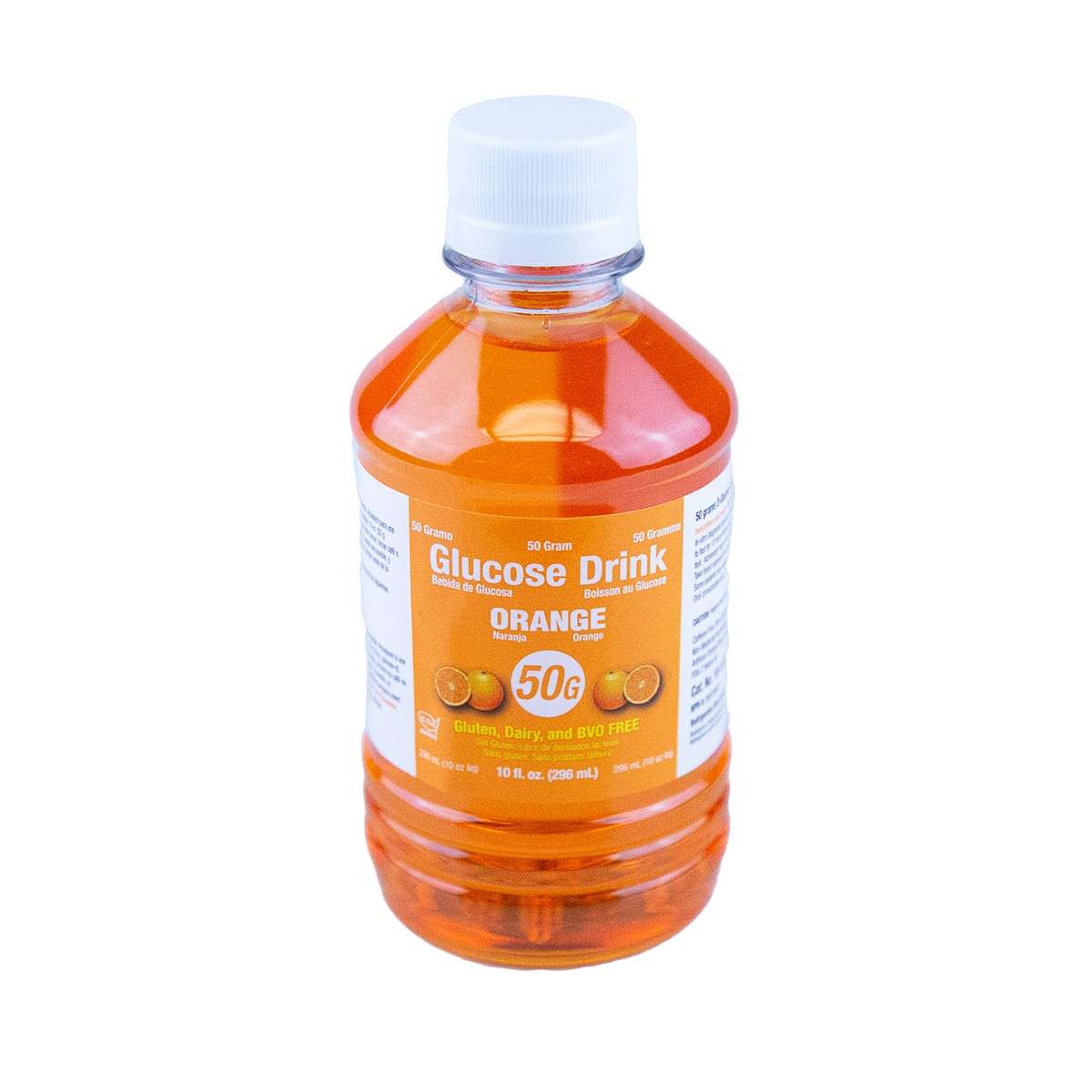
- You drink a glucose drink with 50 grams of sugar, usually within five minutes. It tastes like very sweet, flat soda.
- You wait one hour. You’ll need to stay put, without eating, drinking (except sips of water, if allowed) or going for a walk, since activity can affect the result.
- Your blood is drawn to check your blood sugar.
You usually don’t need to fast for the 1-hour test.
1-hour glucose test results
A result below 130 to 140 mg/dL (labs use slightly different cutoffs) is usually considered normal. If your number is higher, it doesn’t mean you have gestational diabetes. It means you need the 3-hour test to find out. Many women who don’t pass the 1-hour test pass the 3-hour test.
The 3-Hour Glucose Test
The 3-hour test (glucose tolerance test) confirms whether you have gestational diabetes.
- Fast overnight for 8 to 14 hours (water is usually OK).
- Your fasting blood sugar is checked.
- You drink a stronger glucose drink with 100 grams of sugar.
- Your blood is drawn every hour for three hours.
3-hour glucose test results
The most common cutoffs are:
- Fasting: 95 mg/dL
- 1 hour: 180 mg/dL
- 2 hours: 155 mg/dL
- 3 hours: 140 mg/dL
If two or more of your numbers are at or above these levels, you’ll usually be diagnosed with gestational diabetes. If only one is high, your doctor may recommend closer follow-up.
How to Prepare for the Glucose Test
You can’t “study” for the glucose test, and you shouldn’t try to trick it. The goal is an accurate result, so your baby gets the right care. But a few things can help the day go smoothly:
- Eat normally in the days before. Don’t cut out carbs or go on a strict diet to “pass.” That can actually make your result less accurate.
- For the 1-hour test, skip the sugary breakfast. A balanced meal with protein, like eggs and toast, is a better choice than pancakes, juice or a sweet coffee drink right before.
- For the 3-hour test, follow the fasting instructions exactly. Schedule it first thing in the morning so you’re not fasting all day.
- Bring water, a snack for afterward, and something to do. A book, a podcast or a charged phone makes the wait easier.
- Plan to sit still. Walking around during the wait can lower your number and affect the result.
What to eat before the 1-hour glucose test
If you’re allowed to eat, choose a light, balanced meal one to two hours before: eggs, Greek yogurt, whole-grain toast, or oatmeal with nuts. Avoid juice, pastries, sugary cereal and sweet drinks.
Does the glucose drink make you sick?
Some women feel nauseated, lightheaded or a bit shaky after the drink, especially on the 3-hour test. Drinking it cold and fairly quickly can help. If you vomit, tell the staff, because you’ll usually need to redo the test on another day.
What Happens If You Fail the Glucose Test?
If you’re diagnosed with gestational diabetes, it can feel scary, but it’s common and very manageable. Most women manage it with:
- Diet changes, like balancing carbs with protein and spreading meals throughout the day
- Walking or light exercise after meals
- Checking your blood sugar at home with a finger stick
- Medication, such as insulin, if diet and exercise aren’t enough
You’ll also have more frequent checkups and ultrasounds to watch your baby’s growth. Most women with well-controlled gestational diabetes have healthy pregnancies and healthy babies.
Gestational diabetes usually goes away after delivery. But it does raise your chance of developing type 2 diabetes later in life, so you’ll need a blood sugar test after your baby is born, usually around your postpartum checkup, and regular checks after that.
Glucose Test in Pregnancy: Frequently Asked Questions
Can I refuse the glucose test?
You can, but it’s the best way to catch gestational diabetes, which usually has no symptoms. If the drink is the problem, talk with your doctor. Some offer alternatives, like checking your blood sugar at home for a week, though these aren’t as well studied as the standard test.
Can I drink water before the glucose test?
Usually yes, small sips of plain water are fine for both tests. Check your lab’s instructions to be sure.
Can I eat jelly beans instead of the glucose drink?
Some offices allow a measured amount of jelly beans or other alternatives, but they aren’t as standardized as the drink. Ask your doctor before swapping.
Does failing the 1-hour test mean I have gestational diabetes?
No. The 1-hour test is a screening test, set to catch as many possible cases as it can. Many women who don’t pass it go on to pass the 3-hour test.
Can stress or a bad night of sleep affect my glucose test?
Illness, stress and some medications, like steroids, can raise blood sugar. If you’re sick on the day of your test, it’s worth rescheduling.
Will gestational diabetes hurt my baby?
When it’s well managed, most babies are born healthy. Treatment lowers the risk of complications like a very large baby, a difficult delivery and low blood sugar after birth.
Will I get gestational diabetes again in my next pregnancy?
The chance is higher if you had it before, so your doctor will likely test you early in your next pregnancy.
Your Glucose Test at Yunella
At Yunella Women’s Health, your glucose test is part of prenatal care that’s built around you. Blood work is done at the lab in the building right next door, so it’s quick and convenient, and Dr. Kim reviews your results himself and walks you through what they mean.
If you’re diagnosed with gestational diabetes, you won’t be left to figure it out alone. Because we do an ultrasound at every prenatal visit, Dr. Kim can keep a close eye on your baby’s growth the whole way through, and we work closely with our maternal-fetal medicine partners next door when extra support is needed.
Pregnant or planning to be? Learn about our concierge maternity experience, book a visit, or call us at (424) 404-8832.
This article is for general education and isn’t a substitute for medical advice. Talk with your doctor about your own care.
Medically reviewed by David Seil Kim, MD, PhD, MBA, FACOG · Last reviewed: November 5th, 2026