
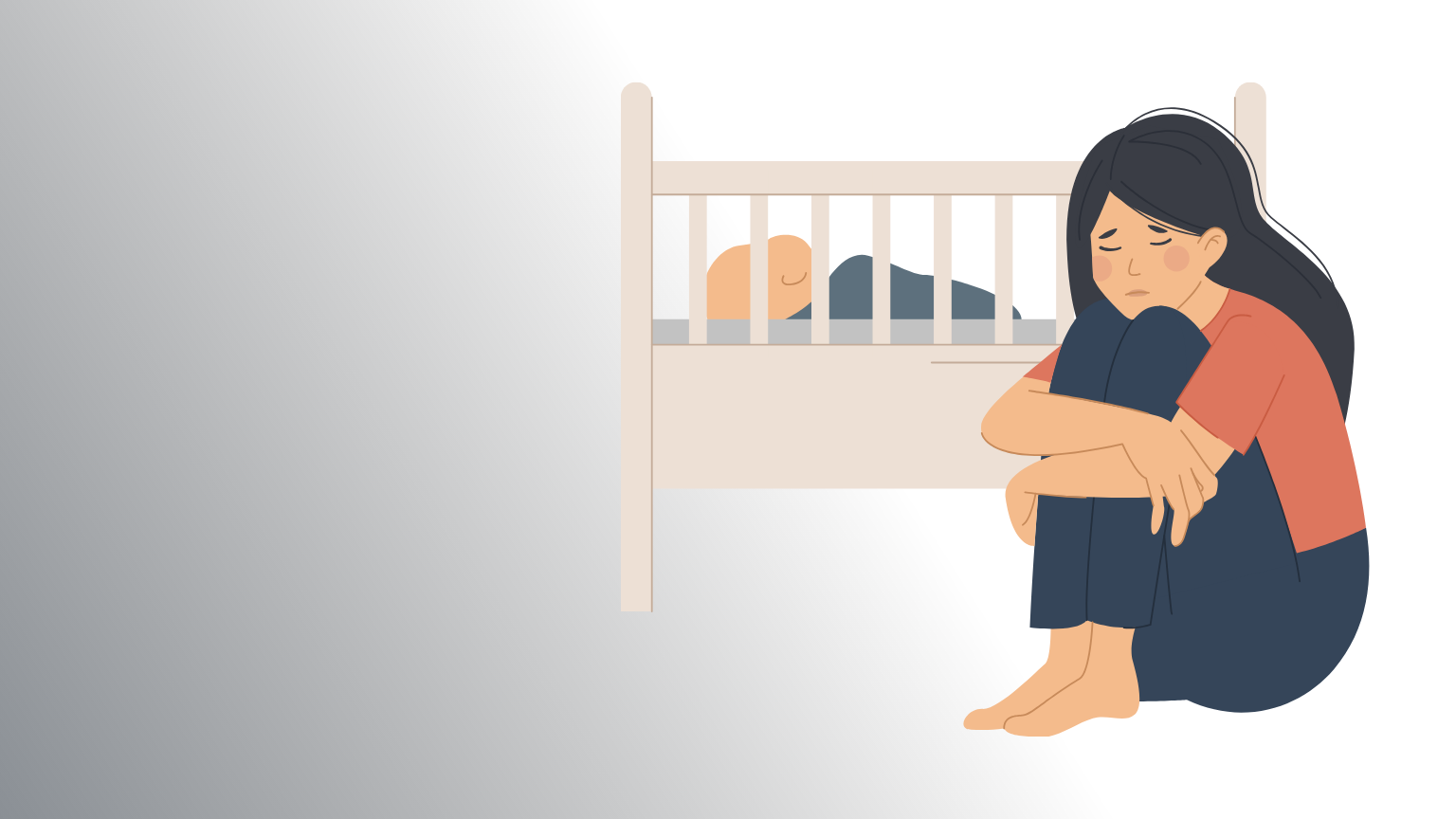
The signs of postpartum depression include crying that won’t stop, worry you can’t turn off, anger that comes out of nowhere, trouble sleeping, and feeling numb or disconnected from your baby. If these symptoms last more than two weeks after giving birth, it’s likely more than the baby blues. Postpartum depression is common, it’s not your fault, and it’s very treatable.
If you’re feeling this way, you’re not alone, and you’re not failing. Many women stay quiet because they think it’s just exhaustion, or they’re afraid of seeming ungrateful, or of being judged as a bad mother. But postpartum depression affects about 1 in 8 women who have recently given birth, according to the CDC. It’s a medical condition, not a character flaw, and the sooner it’s treated, the sooner you’ll start feeling like yourself again.
If you’re having thoughts of harming yourself or your baby, call or text 988, or call 911, right now. You can also call or text the National Maternal Mental Health Hotline any time, day or night, at 1-833-852-6262. It’s free and confidential.
At Yunella, we take postpartum depression very seriously. Dr. David Kim, a board-certified OB-GYN who has delivered more than 7,000 babies, has cared for many women through it. Here’s how to recognize the signs, how it’s different from the baby blues, and what actually helps.
Baby Blues vs. Postpartum Depression: What’s the Difference?
The baby blues are mild mood swings and tearfulness that start in the first few days after birth and fade on their own within about two weeks. Postpartum depression is stronger, lasts longer than two weeks, and gets in the way of daily life. It needs treatment.
The baby blues
The baby blues are very common, affecting roughly half or more of new mothers. They usually start 2 to 3 days after delivery, as your hormones drop sharply, and you may feel:
- Weepy, sometimes for no clear reason
- Moody, irritable or overwhelmed
- Anxious or restless
- Tired but unable to rest
The key: the baby blues come and go, you still have good moments, and they fade on their own within about two weeks. Rest, food, help with the baby, and a little time usually do the trick.
Postpartum depression
Postpartum depression is different in three ways:
- It lasts longer. Symptoms go on past two weeks, or start later.
- It’s stronger. The feelings are heavier and more constant, not just bad moments.
- It gets in the way. It becomes hard to sleep, eat, function, or care for yourself or your baby.
If you’re not sure which one you’re dealing with, you don’t have to figure it out alone. That’s exactly what we’re here for. Call us, and we’ll talk it through.
Why Does Postpartum Depression Happen?
Postpartum depression isn’t caused by anything you did, or by not loving your baby enough. It’s caused by a mix of real, physical changes and life stress, all hitting at once.
- A sudden hormone drop. During pregnancy, your estrogen and progesterone rise to the highest levels of your life. Within a day or two of delivery, they fall sharply. That crash affects the brain chemicals that regulate mood, and some women are more sensitive to it than others.
- Your thyroid. Thyroid levels can drop after birth too, which can cause tiredness and low mood that look a lot like depression. It’s one reason your doctor may check your blood work.
- Sleep deprivation. Weeks of broken sleep wear down anyone’s ability to cope, and lack of sleep is closely tied to depression and anxiety.
- Your body recovering. Healing from a vaginal birth or a C-section, pain, and feeding challenges all take a toll.
- Genetics and history. Depression and anxiety run in families, and a past episode makes another more likely.
- Huge life changes. A new identity, less time for yourself, changes in your relationship, money or work stress, and often less support than you expected.
In other words, postpartum depression is a medical condition with physical causes, the same way thyroid disease or gestational diabetes is. You’re not crazy, you’re not weak, and you’re not a bad mother. You need care, and care works.
Can you prevent postpartum depression?
You can’t always prevent it, but you can lower the odds and catch it early. If you’re at higher risk, plan ahead during pregnancy: line up help with nights and meals, talk with your OB about your history, and know who you’ll call. Some women at high risk start therapy during pregnancy.
Signs and Symptoms of Postpartum Depression
Postpartum depression doesn’t look the same for everyone. Some women feel deeply sad. Others mostly feel anxious, angry or numb. Common signs include:
- Feeling sad, empty or hopeless most of the day, nearly every day
- Crying more than usual, often without knowing why
- Losing interest in things you used to enjoy
- Feeling disconnected from your baby, or not feeling the bond you expected
- Doubting yourself as a mother, or feeling guilty, worthless or like a failure
- Constant worry or panic
- Irritability or anger that feels out of proportion
- Trouble sleeping, even when the baby is asleep, or sleeping far more than usual
- Changes in appetite: eating much less or much more
- Trouble thinking, focusing or making decisions
- Pulling away from your partner, family or friends
- Thoughts of harming yourself or your baby, or thinking your family would be better off without you. This needs help right away. Call or text 988, or call 911.
You don’t need to have all of these. If a few of them sound familiar and they’ve lasted more than two weeks, it’s time to talk to your doctor.
When does postpartum depression start?
Postpartum depression often starts in the first few weeks after birth, but it can begin any time in the first year, and sometimes during pregnancy itself. It can also start when you stop breastfeeding, or when you go back to work. If you start feeling this way months after your baby is born, it still counts, and it’s still treatable.
How long does postpartum depression last?
Without treatment, postpartum depression can last for months, and for some women longer than a year. With treatment, most women start feeling better within a few weeks. That’s the most important reason not to wait it out.
Who is more likely to get postpartum depression?
Anyone can get postpartum depression, including women who were excited about their pregnancy and have plenty of support. But it’s more likely if you have:
- A history of depression or anxiety, before or during pregnancy
- Postpartum depression after a previous pregnancy
- A family history of depression or postpartum depression
- Little support, or a lot of stress at home or at work
- A difficult pregnancy or delivery, a baby in the NICU, or a pregnancy loss in the past
- Trouble with breastfeeding, or a baby who is hard to settle
- Severe sleep deprivation
- Thyroid problems after delivery
If any of these apply to you, tell your OB during pregnancy, so you have a plan in place before the baby arrives.
Postpartum Anxiety
Postpartum anxiety is just as common as postpartum depression, and the two often happen together. Instead of sadness, the main feeling is worry, constant and hard to switch off.
Signs of postpartum anxiety include:
- Worrying all the time, especially about your baby’s health or safety
- Racing thoughts, or feeling on edge and unable to relax
- Checking on your baby over and over, even when you know they’re fine
- Trouble sleeping because your mind won’t stop
- Physical symptoms like a racing heart, tight chest, nausea or dizziness
- Panic attacks
Scary, unwanted thoughts
Many new mothers have sudden, frightening thoughts about something bad happening to their baby, like dropping them, or even about harming them. These are called intrusive thoughts. They’re far more common than people realize, and having them doesn’t mean you’ll act on them. In fact, the reason they’re so upsetting is that they go against everything you want. When they’re frequent or distressing, they can be part of postpartum anxiety or postpartum OCD (obsessive-compulsive disorder), and they’re treatable. Please tell us. We won’t judge you.
Postpartum Rage
Postpartum rage is intense anger or irritability after having a baby: snapping at your partner, feeling furious over small things, or anger that seems to come out of nowhere and then leaves you feeling guilty. It isn’t a separate diagnosis, but it’s a very real and common sign of postpartum depression or anxiety.
Sleep deprivation, hormone shifts, and feeling overwhelmed all feed into it. If you’re feeling angry far more than you used to, it’s worth bringing up. Like the other symptoms, it gets better with treatment.
Postpartum Psychosis: A Medical Emergency
Postpartum psychosis is rare, affecting about 1 to 2 in every 1,000 new mothers, but it’s serious. It usually starts suddenly, within the first few weeks after birth. Signs include:
- Seeing or hearing things that aren’t there
- Believing things that aren’t true, or feeling extremely paranoid
- Confusion, or acting very out of character
- Barely sleeping, and feeling unusually energized or agitated
- Thoughts of harming yourself or your baby
If you or someone you love shows these signs, call 911 or go to the nearest emergency room right away. Postpartum psychosis is treatable, but it needs immediate care. It’s more common in women with bipolar disorder or a past episode, so tell your OB about that history during pregnancy.
When to See a Doctor About Postpartum Depression
See your doctor if your mood symptoms last longer than two weeks, if they’re getting worse instead of better, or if they make it hard to take care of yourself or your baby. You don’t have to be sure it’s depression, and you don’t have to wait for your postpartum checkup.
Call us if:
- You’ve felt sad, anxious, irritable or numb for more than two weeks
- You’re not enjoying anything, or you feel disconnected from your baby
- You can’t sleep even when you have the chance
- You’re having scary thoughts that won’t go away
- The people closest to you are worried about you
- Something just doesn’t feel right
Get help right away (call or text 988, or call 911) if:
- You’re thinking about harming yourself or your baby
- You feel hopeless, or like your family would be better off without you
- You’re seeing or hearing things others don’t, or feel confused or out of touch with reality
If you’re a partner or family member and you’re worried, you can make the call too.
Postpartum Depression Myths, and the Truth
News stories about postpartum tragedies get a lot of attention, and they can leave new mothers afraid to admit how they feel, as if saying “I’m struggling” means something terrible will happen. That fear keeps women from getting help. Here’s the truth:
- Myth: Postpartum depression means you might hurt your baby. Truth: The vast majority of women with postpartum depression or anxiety never harm their child. The rare tragedies in the news usually involve postpartum psychosis, a different and much rarer condition, and even that is treatable when it’s caught.
- Myth: If you’re depressed, you don’t love your baby. Truth: Depression can make it hard to feel love or joy. It doesn’t mean the love isn’t there, and those feelings come back with treatment.
- Myth: It’s all in your head, so just push through. Truth: Postpartum depression has physical causes, including hormones, sleep and thyroid changes. Pushing through usually makes it last longer.
- Myth: Telling your doctor means they’ll take your baby. Truth: Your OB’s job is to help you get well. Asking for help is what good mothers do.
- Myth: You can’t take medication if you’re breastfeeding. Truth: Many antidepressants are considered compatible with breastfeeding. More on that below.
Postpartum depression is common. Feeling this way doesn’t make you a bad mother, and it doesn’t mean you’re “crazy.” It means you need a little help, and that help works.
How Is Postpartum Depression Treated?
Postpartum depression is very treatable. Most women feel better with therapy, medication, or both, plus practical support like help with sleep. The right mix depends on how you’re feeling, your history, and whether you’re breastfeeding.
Talk therapy
Therapy with a counselor, psychologist or psychiatrist who understands the postpartum period helps a lot. Two types have strong evidence: cognitive behavioral therapy (CBT), which helps you work through anxious and negative thought patterns, and interpersonal therapy (IPT), which focuses on relationships and the big role changes that come with a new baby. Many therapists now offer virtual visits, which helps when it’s hard to leave the house.
Antidepressant medication (SSRIs)
For moderate to severe postpartum depression or anxiety, medication is often recommended, usually an SSRI (selective serotonin reuptake inhibitor). SSRIs are among the most studied medications in pregnancy and after birth. They usually take a few weeks to work fully, so it’s worth starting sooner rather than later.
Is it safe to take antidepressants while breastfeeding?
For most women, yes. You usually don’t have to choose between treating your depression and breastfeeding. According to the American College of Obstetricians and Gynecologists (ACOG), many SSRIs are considered compatible with breastfeeding. Only very small amounts pass into breast milk, and studies of breastfed babies have been reassuring. Sertraline (Zoloft) is one of the most commonly used options because so little reaches the baby.
Your doctor will weigh a few things with you: which medication has worked for you before, your baby’s age and health (for example, if your baby was born early), and your own preferences. What we know for sure is that untreated depression has real effects on both mother and baby. Getting treated is one of the best things you can do for your baby.
Don’t stop or start a medication on your own. Talk it through with your doctor first.
Newer medications
In 2023, the FDA approved zuranolone (Zurzuvae), the first pill made specifically for postpartum depression. It’s taken for 14 days and can work faster than traditional antidepressants. It isn’t right for everyone. For example, there’s limited data on breastfeeding, and you can’t drive for a while after each dose. A psychiatrist can help decide whether it’s a good fit.
Sleep and practical support
Sleep is treatment too. Protecting even one longer stretch of sleep each night can make a real difference to your mood. That might mean a partner taking a night feeding, family help, or a night nurse or postpartum doula who cares for the baby overnight so you can rest. Help with meals, older children and household tasks matters too. Accepting help isn’t failing. It’s part of getting better.
Support groups
Talking with other mothers who’ve been through it can be a huge relief. Postpartum Support International offers free online support groups and a helpline, and can connect you with providers who specialize in maternal mental health.
Partners can get it too
Partners can also develop depression after a baby arrives, especially when the mother is struggling. If you’re a partner and you’re not feeling like yourself, you deserve help too.
Postpartum Depression Care at Yunella Women’s Health
At Yunella, we never take postpartum depression lightly. Dr. Kim has cared for many mothers through it, and he knows how to help. Our door is always open, and you’ll never be made to feel judged for how you’re feeling.
- We screen everyone. Every postpartum patient is screened with the Edinburgh Postnatal Depression Scale (EPDS), a short, well-studied questionnaire. We go over your results with you, not just file them. Here’s what else happens at your postpartum checkup.
- Treatment from the doctor you already know. When medication is the right step, Dr. Kim can prescribe an SSRI himself and talk through what’s compatible with breastfeeding. You don’t have to start over with someone new to begin feeling better.
- Referrals to mental health specialists. When you’d benefit from therapy or more specialized care, Dr. Kim refers you to psychiatrists and therapists he trusts.
- Help with sleep. Dr. Kim has night nurse contacts he refers patients to, so you can get the rest that recovery depends on.
- Seen quickly when something’s wrong. Your concierge maternity care continues after delivery. If you’re struggling, call us and we’ll typically see you within 24 to 48 hours, and direct access to Dr. Kim continues through six weeks after delivery.
- Your whole family is welcome. Bring your partner, your mom, or anyone who supports you.
You don’t have to wait for your scheduled visit, and you don’t have to be sure it’s depression. If you’re not feeling like yourself, that’s reason enough to call. Learn more about our postpartum care and pregnancy care, and see what our patients say.
Book a visit or call (424) 404-8832. And if you’re in crisis right now, call or text 988, or call the National Maternal Mental Health Hotline at 1-833-852-6262.
Medically reviewed by David Seil Kim, MD, PhD, MBA, FACOG · Last reviewed: November 2nd, 2026
This article is for education and does not replace individualized medical advice. If you’re in crisis, call or text 988, or call 911.