
Home/Pregnancy Care/High-Risk Pregnancy
High-Risk Pregnancy
High-Risk Pregnancy Care in Los Angeles
“High risk” is a monitoring category, not a prognosis. It means a pregnancy is watched more closely, usually for a specific and identifiable reason. Most high-risk pregnancies end well. What changes is how much attention is paid, and by whom.
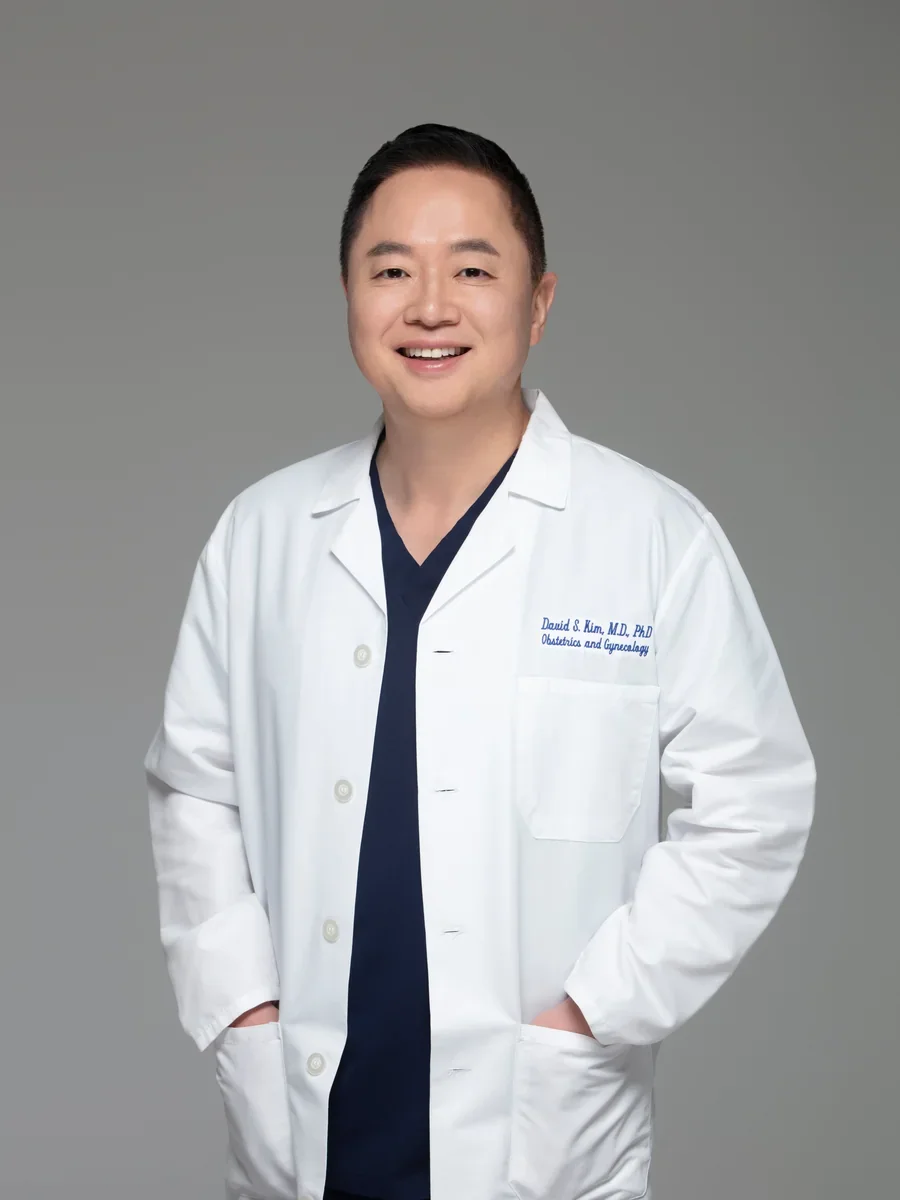
Your physician
Nearly thirty years of knowing which risks actually materialise.
Over 7,000 deliveries, fifteen years on the OB/GYN residency faculty at Cedars-Sinai Medical Center, and an oral board examiner for the American Board of Obstetrics & Gynecology. Experience in this setting is not about finding more problems — it is about knowing quickly which findings need action and which need watching.
- ExperienceNearly 30 years in obstetrics & gynecology
- DeliveriesOver 7,000
- Cedars-Sinai Medical Center15 years · OB/GYN residency faculty
- American Board of Obstetrics & GynecologyOral board examiner
Explained
What the label actually means.
A category that describes surveillance, not outcome.
What high risk means, and what it does not
The phrase is used so broadly that it has stopped carrying information, which is why it frightens people more than it should.
It means there is a reason to watch a pregnancy more closely than average. That reason may be something you had before you were pregnant, something that has developed during it, or something in your obstetric history.
It is not a prediction. Most pregnancies given the label proceed to a healthy delivery. What the label changes is the schedule, not the outcome.
The common reasons
They fall into three groups, and knowing which one applies to you matters more than the label itself.
- Conditions that predate the pregnancy — among them hypertension, diabetes, thyroid disease, and autoimmune conditions.
- Conditions that develop during it — gestational diabetes, hypertensive disorders of pregnancy, growth concerns, placental findings.
- Obstetric history — a previous preterm birth, a previous cesarean, recurrent loss, or a multiple pregnancy.
Ask which of these applies to you and why. It is a fair question and it has a specific answer.
What changes in how you are followed
More visits, more scans, and a defined list of things being looked for at each one.
Growth is followed rather than assumed. Blood pressure is taken seriously rather than recorded. Where a condition needs management alongside the pregnancy, that is coordinated rather than left to you to relay between offices.
Ultrasounds are performed by Dr. Kim in the office, which matters more here than anywhere else — a frequent scan schedule is only sustainable when the scan and the explanation happen in the same visit.
Co-management with maternal-fetal medicine
A specialist contributing to your care is not the same as being handed off.
In co-management the obstetrician who knows your history continues to look after you, and a maternal-fetal medicine specialist contributes to particular decisions or particular scans. Where that is needed it is arranged early rather than at the point of a problem.
You should always know who is making which decision. If that is unclear, ask.
Delivery planning
The plan is discussed early and revisited, not announced at the end.
Timing, mode of delivery and where you deliver are all part of the conversation. Dr. Kim holds delivery and surgical privileges at Cedars-Sinai Medical Center and CHA Hollywood Presbyterian.
If a recommendation has been made that you want a second read on, that is a reasonable request rather than a difficult one. See second opinion.
Questions
What patients ask first.
Does high risk mean something will go wrong?
No. It means the pregnancy is watched more closely for a specific reason. Most pregnancies in this category proceed to a healthy delivery.
Who decides that a pregnancy is high risk?
Your obstetrician, based on your history, your current health and what is found during the pregnancy. Ask which specific factor applies to you — there is a specific answer.
Will I need a maternal-fetal medicine specialist?
Sometimes. Where a specialist is involved it is usually as co-management, meaning your obstetrician continues to look after you while the specialist contributes to particular decisions.
Will I have more ultrasounds?
Usually yes, mainly to follow growth. At Yunella those scans are performed by Dr. Kim in the office rather than referred out.
Can I still have a vaginal delivery?
Often, yes. The label itself is not a reason for a cesarean. What matters is the specific reason for it and how the pregnancy progresses.
Where can I find high-risk pregnancy care in Los Angeles?
Yunella Women's Health is on San Vicente Boulevard in central Los Angeles, in the same zip code as Cedars-Sinai Medical Center, where Dr. Kim holds delivery and surgical privileges.
General information about care at Yunella, not medical advice. What applies to you depends on your own history and examination.
Start here
A label is not an explanation. Ask for the reasoning.
You should be able to say which factor applies to you and what is being watched for. If you cannot, that is worth an appointment.
Or call (424) 404-8832 · 6330 San Vicente Blvd, Suite 418, Los Angeles, CA 90048 · delivery at Cedars-Sinai Medical Center