
You’ve been trying for a while. Maybe your cycles are irregular and you’re never sure when you ovulate. Maybe everything checks out and it still isn’t happening. You’ve heard of IVF, but it feels like a big leap, and you’re not sure you need it yet.
For many women, there’s a step in between. It’s called IUI, and at Yunella Women’s Health in Los Angeles nearly all of it happens in our office, with the same physician from the first scan to the pregnancy test. This article explains what IUI is, who it helps, and what a cycle looks like day by day.
What Is IUI?
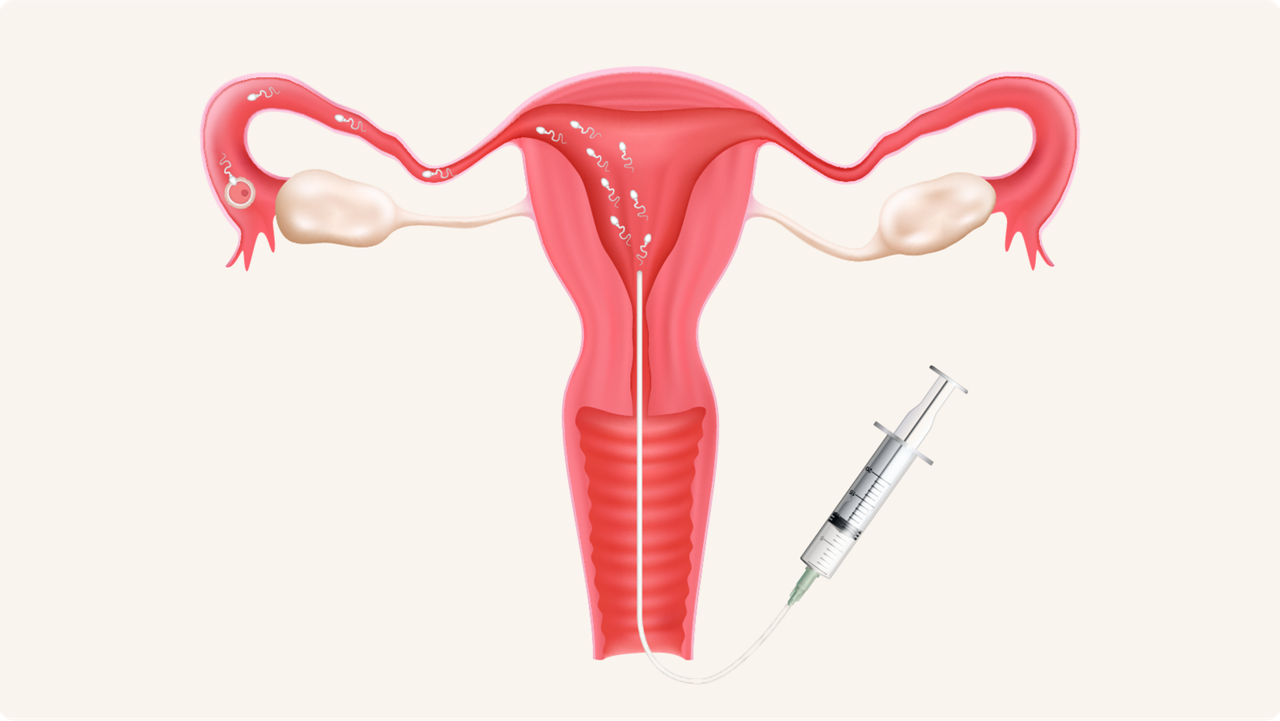
IUI stands for intrauterine insemination. Your partner’s sperm is washed and concentrated in a lab, then placed directly into your uterus through a thin, soft tube called a catheter. It’s timed for the day you ovulate, which is when an ovary releases an egg.
The idea is simple: more healthy sperm, closer to the egg, at the right time. The insemination itself takes a few minutes and doesn’t require anesthesia.
What Does Letrozole Do?
Letrozole is a pill you take for five days early in your cycle. It prompts the ovaries to grow and release an egg. This is called ovulation induction.
You should know that letrozole was approved by the FDA to treat breast cancer, so using it for fertility is “off-label.” That’s legal and very common, and major professional societies recognize letrozole as a first-choice medication for ovulation induction. In a trial of 750 women with PCOS published in the New England Journal of Medicine, letrozole led to more live births than clomiphene, the older standard pill.
Letrozole must not be taken during pregnancy, so we confirm you’re not pregnant before each cycle.
Who Is IUI a Good Fit For?
IUI with letrozole is often a reasonable first treatment when:
- You don’t ovulate regularly, as with PCOS
- You’ve been trying without success and no clear cause has been found
- Your partner’s sperm count or movement is mildly low
- Timing intercourse has been difficult
IUI isn’t the right tool for every situation. If your fallopian tubes are blocked, if sperm counts are very low, or if several cycles haven’t worked, IVF may be the better path. Dr. Kim will tell you honestly if that’s the case and coordinate with a fertility specialist.
What Do We Check Before You Start?
Most patients begin with a preconception visit. It includes a pelvic ultrasound performed by Dr. Kim and a full hormone panel, a set of blood tests that check the hormones involved in ovulation and fertility.
Before an IUI cycle, your partner also has a semen analysis, a lab test that checks sperm count and movement. And we offer a tube check, a test that confirms your fallopian tubes are open so the egg and sperm can meet. The tube check is your choice. We’ll explain what it shows, and you decide whether to have it.
The point is to find anything fixable first. A uterine polyp, for example, can lower the chance of success and is usually removed before IUI with a minimally invasive procedure. Conditions such as fibroids and endometriosis can be looked for at the same visit.
How Do I Know IUI Is the Right Choice for Me?
You don’t have to figure that out alone. Before any treatment starts, Dr. Kim sits down with you for a detailed consultation. He reviews your ultrasound and hormone results, then walks you through every fertility option, not only IUI:
- Timed intercourse. Tracking ovulation and timing sex around it, with no medication.
- Ovulation induction. Taking letrozole to help you ovulate, then trying at home.
- IUI. Ovulation induction plus insemination in our office, as described in this article.
- IVF. In vitro fertilization, where eggs are collected and fertilized in a lab and an embryo is placed in the uterus. This is done at a fertility clinic, and Dr. Kim coordinates the referral if it’s your best path.
Then he tells you which one he’d recommend for you and why, based on your age, how long you’ve been trying, your test results and what you want. Some patients leave that visit with a simpler plan than they expected.
What’s Included in the Yunella Letrozole IUI Program?
Many offices bill IUI piece by piece: each scan, each visit, each procedure. We offer it as one program covering one treatment cycle, so you know what to expect before you begin.
The program includes:
- Follicle monitoring ultrasounds. Dr. Kim performs these in-office ultrasounds himself, usually on cycle days 11, 12 and 13, to watch the follicle (the small sac in the ovary that holds the egg) and your uterine lining.
- Office visits for your cycle. Every visit related to starting and managing the cycle.
- The trigger injection. You pick up the medication from the pharmacy, and Dr. Kim gives the injection himself once a mature follicle is seen, to time ovulation.
- The IUI procedure. Done in our office.
A few things happen outside our office and are billed separately by whoever provides them:
- Sperm washing. This is done at a partner fertility lab close to our office on the morning of your IUI.
- Medications. Letrozole, the trigger medication, Prometrium (progesterone) and estradiol, if prescribed, are filled at your pharmacy.
- Lab tests. Blood draws are done at the independent lab in the building next door.
- Care outside the cycle. This includes additional IUI cycles and prenatal care after a positive test.
The program is self-pay. Before you start, we give you a written cost sheet listing every item, so there are no surprises.
What Does an IUI Cycle Look Like, Day by Day?
Cycle day 1 is the first day of full flow of your period. From there, a typical cycle runs like this:
- Day 1: call our office. We start your cycle and book your first scan.
- Days 3 to 7: take letrozole. One dose a day for five days, at about the same time each day.
- Day 9: have intercourse. This covers you in case you ovulate early.
- Day 11: first ultrasound. Dr. Kim measures your follicle and uterine lining. You leave with a plan: trigger now, come back for another scan, or adjust medication. If your lining measures thin, Dr. Kim may add estradiol (E2), a form of estrogen that helps thicken it.
- Days 12 and 13: follow-up scans, if needed. These track the follicle until it’s ready.
- Trigger day. When the follicle reaches about 20 mm, Dr. Kim gives you an hCG injection in our office. You pick up the medication from the pharmacy ahead of time. hCG is a hormone that tells the ovary to release the egg. Timing is exact, so we give you a specific hour.
- IUI day. Usually about 24 hours after the trigger.
- Three days after IUI: start progesterone. We prescribe Prometrium, which you use vaginally each night at bedtime until we tell you to stop. Progesterone is a hormone that supports the uterine lining.
- Fourteen days after IUI: pregnancy test.
Throughout the cycle, you take a prenatal vitamin with folic acid and vitamin D every day.
What Happens on IUI Day?
There are two stops, a short distance apart.
Stop 1: the partner lab. Your partner gives a fresh semen sample about an hour and a half before your appointment with us. The lab washes the sperm, which means separating the healthiest, most active sperm from the rest of the fluid, and loads it into the catheter.
Stop 2: our office. Come with a full bladder, which helps position the uterus. The insemination takes a few minutes. You rest on the table for 20 minutes afterward, then go about your day.
Mild cramping and light spotting for a day or two are normal. Normal activity, exercise and bathing are all fine, and intercourse the next day is encouraged.
Will I Get My Own Timeline?
Yes. No two cycles run on exactly the same days, because the trigger and IUI dates depend on how your follicle grows. So every patient gets a personalized timeline: a one-page sheet with each step, your medication checklist, and blank spaces where we write in your actual dates and times as the cycle unfolds.
It also lists when to call us right away: a fever of 100.4 °F or higher, severe pelvic pain, heavy bleeding, or a positive home ovulation test before your trigger shot.
What Are the Chances It Works?
The chance of pregnancy is about 10 to 20% per cycle, depending on your age and diagnosis. That’s why many patients need more than one cycle, and why we talk about a plan across several cycles from the start.
No fertility treatment can guarantee a pregnancy, and we won’t promise one.
What Are the Risks and Side Effects?
- Letrozole side effects. Hot flashes, headache, fatigue and bloating are common. They’re usually mild and pass after the five days.
- Twins. Letrozole can cause more than one egg to develop. The chance of twins is about 3 to 5%, higher than with natural conception. Triplets or more are rare.
- A cancelled cycle. Sometimes a cycle is stopped for medical reasons, such as no response to the medication, too many follicles, an ovarian cyst, or early ovulation. If that happens, we review your options before the next cycle.
- The procedure. Cramping and light spotting are common. Infection is rare.
Frequently Asked Questions
Does IUI hurt? Most women describe it as similar to a Pap smear, with mild cramping. No anesthesia is needed.
Can I take a pregnancy test early? Please don’t. The trigger injection contains hCG, the same hormone a pregnancy test looks for, so testing before 14 days can show a false positive.
Is everything done at your office? Nearly everything. The scans, the trigger injection and the insemination are all done here by Dr. Kim. The only step elsewhere is sperm washing, at a partner lab close by.
What if my period comes? Call us on day 1. We can begin your next cycle right away.
What happens if I get pregnant? Dr. Kim continues with you. The same physician who managed your IUI provides your prenatal care through delivery, including high-risk pregnancy care if you’re carrying twins or need closer monitoring.
Is IUI covered by insurance? Fertility treatment often isn’t. Our program is self-pay, and we can provide documentation if you plan to request reimbursement from insurance or an FSA or HSA.
Letrozole IUI at Yunella
If you’ve been trying and want a clear next step, start with an evaluation. We’ll look for anything fixable, tell you honestly whether IUI makes sense for you, and walk you through every day of the cycle if it does.
Call 424-404-8832 or request an appointment to schedule a preconception visit. Learn more about fertility support at Yunella.
Medically reviewed by David Seil Kim, MD, PhD · Last reviewed: October 2, 2026
This article is for education and does not replace individualized medical advice.