
You’ve been tracking ovulation for months. Your cycles look regular. Your bloodwork came back normal, and you’ve been told to keep trying. Or maybe you’ve had spotting between periods that no one has explained. If this sounds familiar, one question worth asking is whether anyone has looked closely at the inside of your uterus.
A uterine polyp is one of the things that look can find. This article explains what polyps are, how they can affect your ability to get pregnant, when removal makes sense, and how we diagnose and remove them at Yunella Women’s Health in Los Angeles.
What Is a Uterine Polyp?
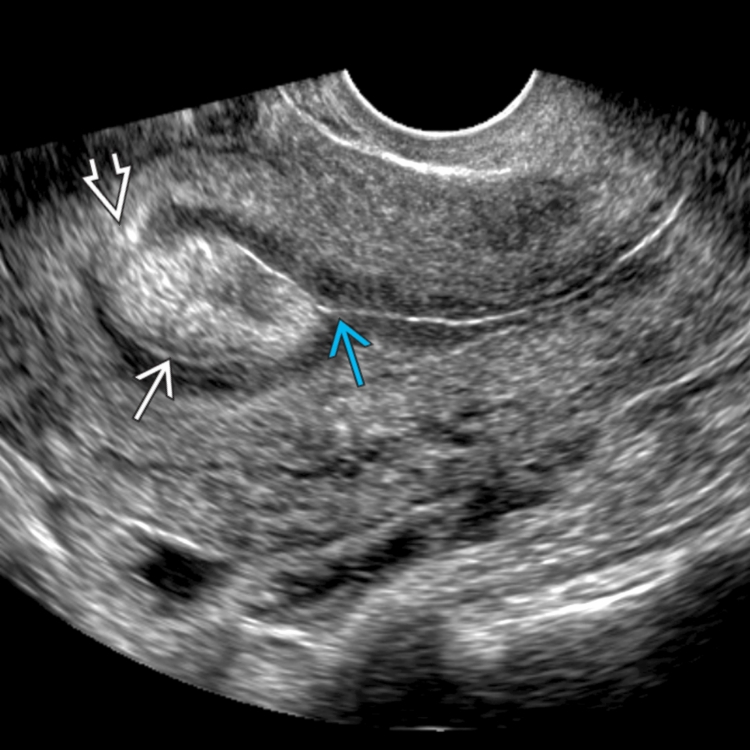
A uterine polyp is an overgrowth of the tissue that lines the inside of the uterus, called the endometrium. You may also see it called an endometrial polyp. Polyps attach to the uterine wall and range from a few millimeters to several centimeters. You can have one or several.
Polyps are common, and they are usually benign, which means not cancerous. Many women have one and never know it. They turn up in about 1 in 10 women who have no symptoms.
Can a Uterine Polyp Keep You From Getting Pregnant?
It can. A polyp sits inside the uterine cavity, the hollow space inside the uterus where a pregnancy grows. For a pregnancy to begin, an embryo (a fertilized egg in its earliest stage) has to attach to the lining of that space. This step is called implantation.
Doctors think a polyp can interfere in a few ways:
- It takes up space. A polyp can sit right where an embryo would attach.
- It irritates the lining. One study found signs that the lining is less ready to accept an embryo when a polyp is present.
- It blocks the path. A polyp near the cervix (the opening of the uterus) or a fallopian tube (the tube that carries the egg from the ovary to the uterus) can get in the way of sperm.
A polyp doesn’t make pregnancy impossible. Many women with polyps conceive without trouble. But when pregnancy isn’t happening and other tests look normal, a polyp is one of the first things worth ruling out. Other treatable causes, such as PCOS and endometriosis, can be checked at the same time.
Does Removing a Polyp Improve Your Chances?
The research is encouraging but limited. In one randomized trial of 215 women, those who had polyps removed before intrauterine insemination (IUI) were about twice as likely to become pregnant as those whose polyps were left in place. A randomized trial assigns patients to groups by chance. IUI is a fertility treatment where sperm is placed directly in the uterus around the time an egg is released.
A Cochrane review, which pools the best available studies, found that removal before IUI may improve pregnancy rates. It also rated the evidence as low quality, because it rests mostly on that single trial.
Because removal is quick and recovery is short, many physicians recommend taking a polyp out before fertility treatment instead of leaving the question open.
What Are the Symptoms of a Uterine Polyp?
Often there are none. Many polyps are found during an ultrasound done for another reason. When they do cause symptoms, the most common are:
- Difficulty getting pregnant
- Bleeding or spotting between periods
- Irregular or unpredictable periods
- Unusually heavy periods
- Any bleeding after menopause
Why Are Polyps Sometimes Missed?
A few reasons:
- No symptoms, no scan. If your periods seem normal, there may never have been a reason to look.
- A standard ultrasound has limits. A small polyp can blend into the surrounding lining and look like simple thickening.
- The follow-up test isn’t always offered. Professional guidelines note that adding saline can reveal small polyps a standard ultrasound misses, but not every office does one.
The result: you can be told everything looks normal while a polyp is still there.
How Are Polyps Diagnosed at Yunella?
Most often, we find them at a preconception visit. We offer these visits for women who are having trouble conceiving, and for women who want a fertility evaluation before they start trying. Each visit includes a pelvic ultrasound and a full hormone panel, a set of blood tests that check the hormones involved in ovulation and fertility.
Dr. Kim performs the ultrasound himself in the office, so you hear what he sees during the same visit instead of waiting for a report.
If the picture isn’t clear enough, he may recommend a saline ultrasound, also called a saline infusion sonogram. A small amount of sterile fluid is placed in the uterus to open up the cavity. Against the fluid, a polyp stands out and can be measured.
Do All Polyps Need to Be Removed?
No. A small polyp that causes no symptoms can often be watched, especially if you’re not trying to conceive. Guidelines support this approach, and up to 25% of polyps go away on their own. Removal is usually recommended when:
- You’re trying to conceive or planning fertility treatment
- The polyp is causing abnormal bleeding
- The polyp is large, or there are several
- You’ve gone through menopause
Removal also gives a definite answer. The tissue can be examined under a microscope, which is the only way to confirm a polyp is benign.
What Is a Hysteroscopic Polypectomy?
A polypectomy is the removal of a polyp. Dr. Kim performs it by hysteroscopy, a minimally invasive approach. A hysteroscope is a thin camera that passes through the vagina and cervix into the uterus, so there are no incisions. He sees the polyp directly on a screen and removes it.
Here’s what to expect:
- Time: about 30 minutes
- Where: an outpatient surgery center, not a hospital. You go home the same day.
- Anesthesia: most patients have monitored anesthesia care (MAC), sedation given through an IV that keeps you relaxed and comfortable. The approach can change based on your health and medical history.
- Recovery: mild cramping and light spotting for a few days are typical. Most patients are back to their normal routine the next day.
How Does Polyp Removal Work at Yunella?
You shouldn’t have to chase insurance approvals or wait months for a date. Our office handles those steps for you:
- Ultrasound in our office. This is often part of a preconception visit. Dr. Kim checks the uterine lining and tells you what he sees.
- Saline ultrasound, if needed. This confirms the polyp when the first scan leaves a question.
- Your decision. Dr. Kim explains your options, including surgery. You choose whether to schedule.
- Insurance check. We contact your insurance plan to see whether prior authorization (advance approval from your insurer) is required. If it is, we obtain it for you.
- Scheduling. We book your procedure with Precision Ambulatory Surgery Center (PASC), our partner surgery center. Dates are often available as early as two weeks out.
- Cost estimate. Before the procedure, the surgery center contacts you directly with an estimate based on your insurance plan.
- Pre-op visit. You meet with Dr. Kim to review the plan and ask questions.
- Procedure day. About 30 minutes, and you go home the same day.
- Post-op visit. Two weeks after the procedure, Dr. Kim checks your recovery and reviews the results with you.
What Happens After the Polyp Is Removed?
If you’re trying to conceive, the next step is your fertility plan. Dr. Kim recommends waiting two months after the procedure before you start trying, so the lining of the uterus has time to heal.
At Yunella, the same physician handles every step. Dr. Kim finds the polyp, removes it, and manages your fertility care afterward. That can include ovulation induction, which is medication that helps the ovaries release an egg, and IUI in our office. Once you’re pregnant, he continues with your prenatal care.
Is a Polyp the Same as a Fibroid?
No. Both can cause heavy or irregular bleeding and both can affect fertility, but they’re different. Polyps grow from the uterine lining. Fibroids grow from the muscle of the uterus. An ultrasound usually tells them apart. Read more about fibroid treatment at Yunella.
What If I’m Not Trying to Get Pregnant?
Polyps still matter if they’re causing bleeding between periods or very heavy periods. And any bleeding after menopause should be checked promptly, whatever the cause turns out to be. Polyps found after menopause are usually removed so the tissue can be examined.
Frequently Asked Questions
Can I get pregnant with a uterine polyp? Yes, it’s possible. But a polyp can lower the chance of implantation, so removal is often recommended if you’ve been trying without success or are about to start fertility treatment.
Should I have a polyp removed before IUI? Often, yes. The available research suggests removal may improve the chance of pregnancy. Dr. Kim will go over what makes sense for the size and location of yours. Read how letrozole IUI works at Yunella.
How soon after a polypectomy can I try to conceive? Dr. Kim recommends waiting two months. He’ll confirm the timing for you at your post-op visit.
Are uterine polyps cancerous? Most are benign. Cancer or precancer in a polyp is uncommon, and the risk rises with age and with abnormal bleeding. Precancer means abnormal cells that could turn into cancer. Examining the removed tissue is how we know for certain.
Does a polypectomy hurt? You’re sedated during the procedure. Afterward, mild cramping for a few days is typical.
Will I have incisions or scars? No. The procedure is done through the cervix with a thin camera.
How soon can I schedule? Once insurance requirements are settled, dates are often available as early as two weeks out.
Will my insurance cover it? Coverage depends on your plan. We check whether prior authorization is needed, and the surgery center gives you an estimate before your procedure.
Can polyps come back? They can. If your symptoms return, a follow-up ultrasound will show whether a new polyp has formed.
Uterine Polyp Evaluation and Removal at Yunella
If you’ve been trying to conceive without an answer, or living with bleeding no one has explained, you deserve a closer look. We find polyps in the office, handle the insurance steps, and can often schedule removal as early as two weeks out.
Call 424-404-8832 or request an appointment to schedule a preconception visit.
Medically reviewed by David Seil Kim, MD, PhD · Last reviewed: October 2, 2026
This article is for education and does not replace individualized medical advice.