
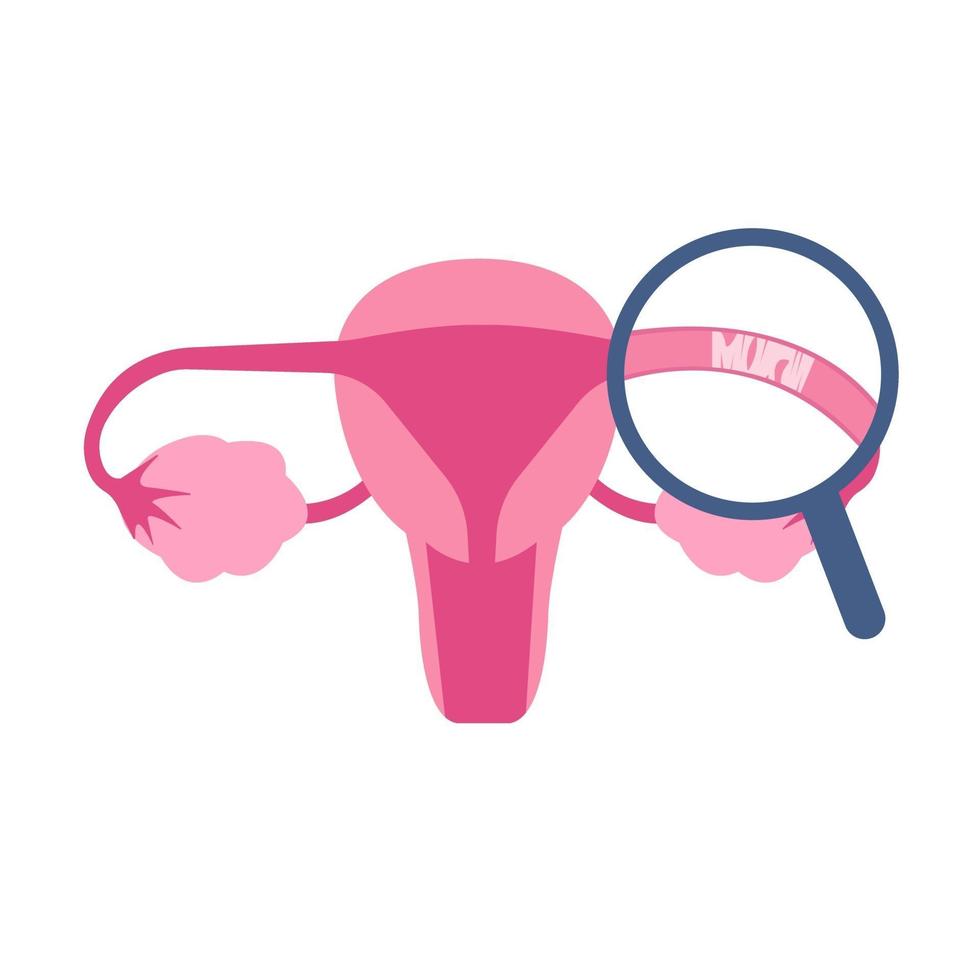
If you’ve been trying to get pregnant, sooner or later someone will want to check your fallopian tubes. These are the two thin tubes that carry an egg from the ovary to the uterus (the womb). They’re also where sperm usually meets the egg. If they’re blocked, sperm and egg can’t meet, and that accounts for about 1 in 5 cases of infertility.
For decades, the standard way to check them was an HSG, an X-ray test done at an imaging center. Today there’s a newer option: HyFoSy, an ultrasound test that can be done right in your doctor’s office.
This article explains what each test involves, what it can tell you about your fertility, how the two compare, and where a saline ultrasound fits in. At Yunella Women’s Health in Los Angeles, Dr. Kim performs HyFoSy himself, in our office, as part of a complete fertility evaluation.
What Is HyFoSy?
HyFoSy (say “high-foe-sie”) stands for hysterosalpingo-foam sonography. That’s a long name for a simple idea: an ultrasound of your uterus and fallopian tubes using a special foam.
Dr. Kim places a thin, soft tube called a catheter through the cervix, the opening of the uterus. He then slowly fills the uterus with a gentle foam while he watches on ultrasound. If the foam flows through the tubes and spills out the ends, the tubes are open. If it stops, a tube may be blocked.
The foam used is called ExEm Foam, which the FDA approved in 2019. It contains no iodine, and the test uses no radiation.
What Is an HSG?
HSG stands for hysterosalpingogram. It’s an X-ray test, usually done at a hospital or imaging center by a radiologist, a doctor who specializes in X-rays and scans.
A catheter is placed through the cervix in the same way. Instead of foam, a contrast dye containing iodine is pushed into the uterus, and a series of X-rays shows whether the dye flows through the tubes. Because it uses X-rays, an HSG involves a small amount of radiation.
At Yunella, if you need an HSG, we refer you to an imaging center and go over the results with you afterward.
What Is a Saline Ultrasound?
A saline ultrasound, also called a saline infusion sonohysterogram or SIS, is a related test with a different job. Instead of foam, Dr. Kim fills the uterus with sterile saline (salt water) during an ultrasound. The fluid gently opens up the inside of the uterus so he can see its lining clearly.
It’s one of the clearest ways to look for problems inside the uterus, such as uterine polyps (small growths in the lining), fibroids that bulge into the uterus, or scar tissue. It isn’t designed to check the tubes. Dr. Kim also does saline ultrasounds in our office.
HyFoSy vs. HSG: How Do They Compare?
The largest study comparing the two is the FOAM trial, published in 2022. More than 1,000 women in the Netherlands had both tests. Here’s what it, and the way each test is done, tell us.
HyFoSy is done by a doctor you know, in a room you know. An HSG means a separate trip to an imaging center, an X-ray table, and a radiologist and staff you’ve never met. HyFoSy happens in a private exam room in our office, done by Dr. Kim, the same doctor managing your fertility care, with our own team around you. There’s no X-ray machine, and no waiting for a report to reach your doctor. He watches the screen with you and explains what he sees in the same visit.
HyFoSy hurts less. On a pain scale from 0 to 10, women rated HyFoSy at about 3 and HSG at about 5.4. For a test that already makes many women nervous, that’s a real difference.
HyFoSy uses no radiation and no iodine. HSG uses X-rays and an iodine-based dye. That makes HyFoSy a simpler choice if you’re allergic to iodine contrast or would rather avoid radiation while trying to conceive.
The results usually agree. In the FOAM trial, the two tests gave the same answer in most women. Pregnancy rates over the following year were also very similar: about 46 percent of women had a baby within a year when their care was guided by HyFoSy, compared with 47 percent with HSG.
HyFoSy costs less to perform. A later analysis of the same trial found the HyFoSy procedure cost about half as much as an HSG in the Netherlands. Your own cost depends on your insurance.
HyFoSy gives a fuller picture of your fertility. Because it’s an ultrasound, Dr. Kim can look at your uterus and ovaries during the same exam. An X-ray shows the outline of the dye, not the organs themselves. More on what that tells you below.
Is HSG Ever the Better Choice?
Sometimes. HSG has been used for decades and remains a standard test. If a HyFoSy result is unclear, or if Dr. Kim needs a different kind of image for your situation, he may recommend an HSG. When that happens, we refer you to a trusted imaging center and go over the results with you.
When Do You Need a Tube Test?
Dr. Kim may recommend checking your tubes if:
- You’ve been trying to get pregnant for a year, or six months if you’re 35 or older
- You’re about to start fertility treatment such as IUI, which only works if at least one tube is open
- You’ve had a pelvic infection, a sexually transmitted infection such as chlamydia, or an ectopic pregnancy (a pregnancy that grew in the tube)
- You’ve had surgery on your abdomen or pelvis, or you have endometriosis, a condition where tissue like the uterine lining grows outside the uterus
When Is a Saline Ultrasound the Better Test?
If the question is about the inside of your uterus rather than your tubes. Dr. Kim may recommend one if:
- A regular ultrasound shows something that might be a polyp or fibroid
- You have bleeding between periods or unusually heavy periods
- You’ve had repeated miscarriages
- You’re preparing for IUI or IVF and he wants to be sure the lining is clear
A saline ultrasound can also be done at any point in your cycle when a polyp needs to be confirmed. Sometimes Dr. Kim recommends both tests, one for the tubes and one for the uterus.
What Can a Tube Test Tell You About Your Fertility?
Getting pregnant takes several things going right at once. An egg has to be released, sperm has to reach it, the two have to meet inside an open fallopian tube, and the fertilized egg has to travel to the uterus and implant in a healthy lining. A tube test answers one of those questions directly. With HyFoSy, Dr. Kim can check on several others in the same visit.
Whether your tubes are open. This is the main question. Open tubes mean sperm and egg have a path to meet. A blocked tube means that side can’t do its job.
Whether a tube is damaged or swollen. Sometimes a blocked tube fills with fluid, a condition called a hydrosalpinx. This matters because the fluid can make it harder for an embryo to implant, even with IVF, so it often needs treatment first.
Clues to why a tube is blocked. Common causes include past infections such as chlamydia, endometriosis, and scar tissue from earlier surgery. Knowing the likely cause helps Dr. Kim plan what comes next.
What your uterus and ovaries look like. Because HyFoSy is an ultrasound, Dr. Kim also sees the lining of your uterus, any polyps or fibroids that could get in the way of implantation, and your ovaries. That includes signs of PCOS, a common hormone condition that can stop ovulation, and cysts linked to endometriosis. An HSG shows the outline of the inside of the uterus, but not the ovaries.
Which treatment makes sense. Your results help decide whether to keep trying on your own a while longer, start medication to help you ovulate, try IUI, or go straight to IVF.
What a tube test can’t tell you is whether you’re ovulating, how many eggs you have left, or how healthy your partner’s sperm is. That’s why it’s one part of a fertility evaluation, not the whole thing.
Where Does a Tube Test Fit in a Fertility Evaluation?
At Yunella, a fertility evaluation with Dr. Kim usually includes:
- A pelvic ultrasound in our office, to look at your uterus and ovaries
- A full hormone panel, which checks ovulation, thyroid function and AMH, a hormone that reflects your egg supply. Blood is drawn at the lab next door.
- A semen analysis for your partner, because sperm count and quality are an important part of the picture
- A tube test, usually HyFoSy in our office
- A saline ultrasound, if he wants a closer look at the lining of your uterus
Together, these tell Dr. Kim where things stand and what to try next. Not trying yet, but want to know your fertility ahead of time? A preconception visit covers many of the same tests.
What Happens During HyFoSy at Yunella?
The whole visit happens in our office, with Dr. Kim.
- Timing. We schedule the test after your period ends and before you ovulate, meaning before an egg is released. This makes sure you aren’t pregnant and gives the clearest view.
- Before you come in. Taking an over-the-counter pain reliever such as ibuprofen about an hour beforehand can ease cramping.
- The exam. You lie down as you would for a Pap smear. Dr. Kim places a speculum, the same instrument used for a Pap, and passes a thin catheter through the cervix.
- The scan. He fills the uterus with foam while watching on ultrasound, following it through each tube. Many women feel cramping, similar to period cramps, that eases once the test is done.
- Your results. Dr. Kim talks you through what he saw before you leave, and what it means for your next steps.
The test itself usually takes just a few minutes. Most women go back to their normal day afterward. Light spotting or mild cramping for a day is common.
What Do Your Results Mean for Getting Pregnant?
Both tubes are open. Good news: your tubes aren’t standing in the way. If you’ve been trying for a while, Dr. Kim looks at the other pieces, such as ovulation, the uterus and sperm. Many women in this situation do well with letrozole, a pill that helps the ovaries release an egg, sometimes combined with IUI in our office.
One tube is blocked. You can still get pregnant. Many women with one open tube conceive naturally or with IUI. Dr. Kim can track on ultrasound which ovary is releasing an egg each month and time treatment to the side with the open tube.
Both tubes are blocked. Sperm and egg can’t meet naturally, but IVF (in vitro fertilization) skips the tubes entirely. Eggs are fertilized in a lab and the embryo is placed directly in the uterus. Dr. Kim refers you to a fertility clinic for IVF, and once you’re pregnant, he can take over your prenatal care.
The result is unclear. Sometimes a tube tightens briefly during the test, a spasm, and looks blocked when it isn’t. If that happens, Dr. Kim may repeat the test or recommend an HSG.
Whatever your results, Dr. Kim goes over them with you that day and lays out your next steps.
Frequently Asked Questions
Does HyFoSy hurt? Most women feel cramping, but in the FOAM trial women rated it much less painful than HSG. Dr. Kim goes slowly and tells you what’s happening at each step.
Is HyFoSy as accurate as HSG? In the large FOAM trial, the two tests agreed for most women, and pregnancy rates afterward were very similar. If your HyFoSy result is unclear, Dr. Kim may recommend an HSG to confirm it.
Can I have HyFoSy if I’m allergic to iodine? Yes. The foam used in HyFoSy contains no iodine.
Is there any radiation? No. HyFoSy is an ultrasound. HSG uses X-rays.
What’s the difference between HyFoSy and a saline ultrasound? HyFoSy checks whether your tubes are open. A saline ultrasound looks inside your uterus for things like polyps. They answer different questions, and sometimes you need both.
Can checking my tubes help me get pregnant? Possibly. Some women get pregnant soon after a tube test, and researchers think flushing the tubes may help. One large study found higher pregnancy rates after an HSG done with oil-based dye than with water-based dye. Whether HyFoSy has a similar effect hasn’t been studied yet. The main purpose of either test is to find out whether your tubes are open.
Do I need a tube test before IUI? We recommend one, because IUI only works if sperm can reach the egg through an open tube. It’s still your choice, and Dr. Kim will talk it through with you. Read how letrozole IUI works at Yunella.
Fertility Testing at Yunella Women’s Health
You shouldn’t have to go to three different places to find out why you’re not getting pregnant. At Yunella, Dr. Kim does your ultrasound, HyFoSy and saline ultrasound himself, in our office, and walks you through every result. If you need an HSG, we’ll refer you and go over the findings with you. And when you do get pregnant, the same doctor can see you through your pregnancy and delivery.
Thinking about a fertility evaluation? A preconception visit is a good place to start. Call 424-404-8832 or request an appointment. You can also read what our patients say about their care with us.
Medically reviewed by David Seil Kim, MD, PhD · Last reviewed: [October 8th, 2026]
This article is for education and does not replace individualized medical advice.