
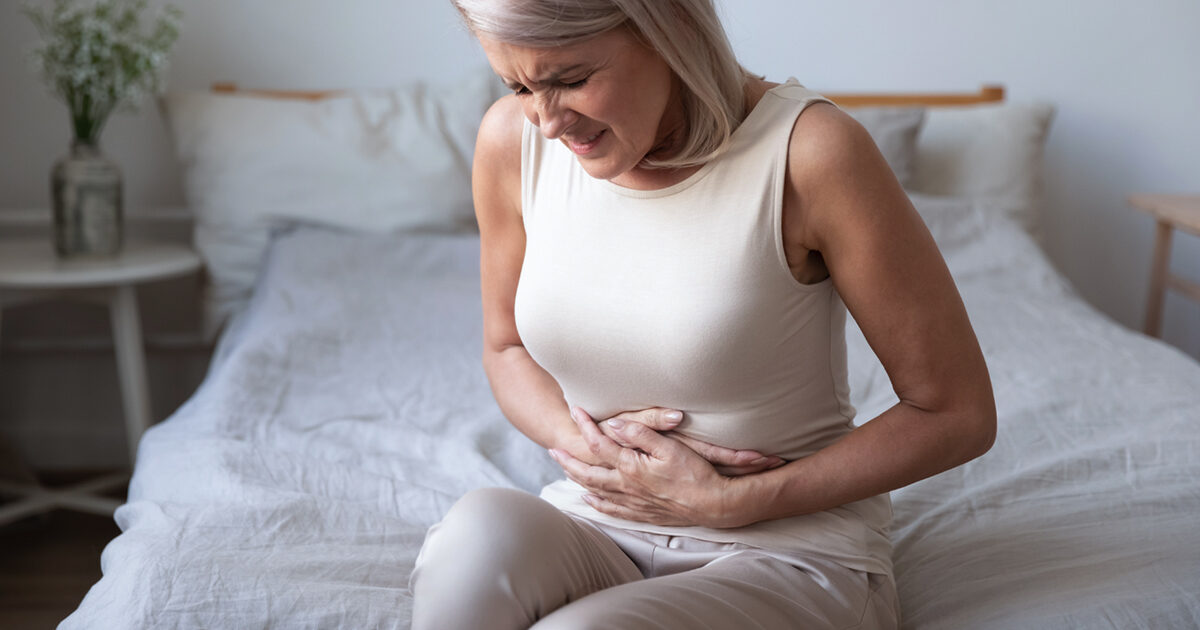
Lower left abdominal pain in women is most often caused by gas or constipation, ovulation, an ovarian cyst, period cramps or endometriosis, a urinary tract infection or kidney stone, or diverticulitis. Most causes aren’t dangerous. But sudden, severe pain, pain with a fever, or any pain when you could be pregnant needs to be checked right away, because it can be a sign of an ectopic pregnancy, a ruptured or twisted ovarian cyst, or an infection.
Go to the ER or call 911 if you have lower belly pain with any of these:
- Sudden, severe pain, or pain so bad you can’t stand up straight
- A positive pregnancy test, or you could be pregnant
- Fainting, dizziness, or pain in the tip of your shoulder
- Fever with vomiting
- A hard, rigid belly that hurts to touch
- Blood in your stool or vomit
Pain on the lower left side of your belly is one of the most common reasons women search for answers online, and one of the hardest to figure out on your own. In women, that small area holds part of the colon, the left ovary and fallopian tube, the bladder and the ureter, so pain there can come from your reproductive organs, your digestive tract or your urinary system.
Here’s a guide to the most common causes, what each kind of pain tends to feel like, and when it’s time to see a doctor, from Dr. David Kim, a board-certified OB-GYN in Los Angeles.
What Causes Lower Left Abdominal Pain in Females?
In women, pain in the lower left side of the abdomen usually comes from one of three places:
- The reproductive organs: ovulation, ovarian cysts, endometriosis, ectopic pregnancy, pelvic infection or fibroids
- The digestive tract: gas, constipation, diverticulitis or IBS
- The urinary tract: a urinary tract infection or kidney stone
The gynecologic causes are the ones most often missed, so we’ll start there.
Gynecologic Causes of Lower Left Abdominal Pain
These causes are specific to women, and they’re the ones most often missed when pain gets blamed on “just your stomach.”
Ovulation pain (mittelschmerz)
About halfway through your cycle, the ovary releases an egg. Some women feel a one-sided twinge, cramp or dull ache when it happens, on whichever side ovulated that month. It usually lasts a few hours to a day or two, and sometimes comes with a little spotting.
Feels like: a mild to moderate ache or twinge on one side, mid-cycle, that goes away on its own.
Ovarian cysts
Most ovarian cysts are harmless and go away on their own. But a larger cyst can cause a dull ache, pressure or bloating on one side. A cyst that ruptures can cause sudden sharp pain, and one that makes the ovary twist (ovarian torsion) causes severe pain, often with nausea and vomiting. Torsion is an emergency. Read more in our guide to ovarian cyst pain.
Feels like: a dull, one-sided ache or heaviness, or sudden sharp pain if it ruptures or twists.
Left ovary pain: what it can mean
Pain you feel over your left ovary is most often ovulation or a cyst. Less often, it comes from endometriosis, an infection, or an ectopic pregnancy in the left fallopian tube. Because the colon also sits on the left side, it can be hard to tell ovary pain from bowel pain without an exam and ultrasound.
Period cramps and endometriosis
Period cramps usually feel like a central, lower-belly ache, but they can be worse on one side. Cramps that make you miss work or school, pain between periods, deep pain during sex, or painful bowel movements during your period can point to endometriosis. Read what endometriosis feels like.
Feels like: cramping, stabbing or deep aching pain that’s worse around your period, sometimes spreading to the back or legs.
Ectopic pregnancy
An ectopic pregnancy implants outside the uterus, usually in a fallopian tube. It typically causes one-sided pain and light bleeding between 4 and 12 weeks of pregnancy. If it ruptures, it can cause severe pain, shoulder-tip pain and fainting, and it’s life-threatening. If you could be pregnant and have one-sided pain, take a pregnancy test and call your doctor. Read about ectopic pregnancy symptoms.
Feels like: a persistent one-sided cramp or ache, often with spotting, that may suddenly become severe.
Pelvic inflammatory disease (PID)
PID is an infection of the uterus, tubes or ovaries, often starting from an untreated sexually transmitted infection. It can cause lower belly pain on one or both sides, fever, unusual discharge, pain during sex and bleeding between periods. It needs prompt antibiotics to protect your fertility.
Feels like: a dull, aching pain low in the belly, often with fever or unusual discharge.
Fibroids
Larger fibroids can cause pelvic pressure, a dull ache, bloating, or pain on one side, depending on where they sit. Rarely, a fibroid can cause sudden sharp pain if it outgrows its blood supply. Read about fibroid symptoms.
Digestive Causes
The lower left side of your belly holds the last part of your colon, so digestive problems are some of the most common causes of pain there.
- Gas and constipation. The most common cause of all. Pain is usually crampy, comes and goes, and gets better after you pass gas or have a bowel movement.
- Diverticulitis. Small pouches in the colon wall become inflamed or infected. It’s one of the most common causes of lower left pain in adults over 40, and it usually causes steady pain, often with fever, nausea or a change in bowel habits. It needs to be seen by a doctor.
- Irritable bowel syndrome (IBS). Cramping, bloating, diarrhea or constipation that comes and goes, often linked to stress or certain foods. Symptoms can get worse around your period.
- Inflammatory bowel disease (Crohn’s disease or ulcerative colitis). Ongoing belly pain with diarrhea, sometimes with blood, weight loss or fatigue.
- Hernia. A bulge in the groin or lower belly that hurts more when you cough, lift or strain.
Urinary Causes
- Urinary tract infection (UTI). Burning when you pee, needing to go often, and pressure low in the belly. If it spreads to the kidney, it can cause back or side pain and fever.
- Kidney stones. Sudden, severe pain in the side or back that comes in waves and can move down toward the groin, sometimes with blood in the urine or nausea.
Dull vs. Sharp Pain in the Lower Left Abdomen
How the pain feels can help narrow down the cause, though it’s never a substitute for an exam:
| What it feels like | Common causes |
|---|---|
| Dull, aching pain that comes and goes | Gas, constipation, IBS, period cramps, ovarian cyst, endometriosis |
| Dull pain that’s steady and getting worse | Diverticulitis, pelvic infection (PID), a growing cyst |
| Sharp, sudden pain | Ruptured ovarian cyst, ovarian torsion, ectopic pregnancy, kidney stone |
| Mid-cycle twinge on one side | Ovulation pain |
| Pain that’s worse around your period | Endometriosis, period cramps, fibroids |
Sharp pain in the lower left abdomen that comes and goes
Sharp pain that flares and then settles is usually caused by something that comes and goes itself:
- Trapped gas or constipation: stabbing pain that eases after you pass gas or have a bowel movement
- Ovulation: a sharp twinge mid-cycle that lasts a few hours to a day or two
- An ovarian cyst: sharp pain that flares with exercise, sex or sudden movement
- Endometriosis: sharp or stabbing pain that tends to return around your period
- A kidney stone: severe waves of pain that move from the side or back toward the groin
- Partial ovarian torsion: an ovary that twists and untwists can cause sharp pain that comes and goes, often with nausea
Book a visit if the pain keeps coming back, follows your cycle, or each episode is worse than the last. Go to the ER if a wave of pain is severe, or comes with vomiting, fever or fainting.
Lower Left vs. Lower Right Abdominal Pain
Many of the same causes, like ovulation, ovarian cysts, ectopic pregnancy, endometriosis and UTIs, can cause pain on either side. The biggest difference is appendicitis, which usually causes pain on the lower right side. It often starts as a vague ache around the belly button that moves to the lower right and becomes sharp. That needs emergency care. Diverticulitis, on the other hand, more often affects the left side.
Lower Left Abdominal Pain and Back Pain
When pain in the lower left abdomen comes with back pain, the most common causes are:
- A kidney stone or kidney infection: pain in the side or back that wraps toward the belly, often with burning when you pee, blood in the urine, or fever
- Endometriosis: deep pelvic pain that spreads to the lower back, often worse around your period or during sex
- An ovarian cyst: a dull ache in the lower back or thigh on the same side, with pelvic pressure
- Period cramps: cramping that radiates to the lower back in the first days of your period
- Constipation: pressure and cramping that can be felt in the lower back
If you’re pregnant, belly and back pain that comes with regular tightening can be a sign of preterm labor. Call your OB right away. Fever with back pain and vomiting can mean a kidney infection and needs same-day care.
When to See a Doctor for Lower Abdominal Pain
Go to the ER for any of the warning signs at the top of this article.
Book a visit soon if you have:
- Pain that lasts more than a few days, or keeps coming back
- Pain that’s getting worse instead of better
- Pain with unusual discharge, bleeding between periods, or pain during sex
- Pain with burning when you pee, or a change in your bowel habits
- Periods so painful they keep you from work, school or daily life
- One-sided pain that comes back every month around the same time
How Is Lower Abdominal Pain Diagnosed?
Because so many organs sit in the lower belly, finding the cause usually takes a few steps:
- Your history. Where the pain is, what it feels like, when it started, and how it relates to your cycle, eating, bowel movements and urination.
- A pregnancy test, if there’s any chance you could be pregnant.
- A pelvic exam to check for tenderness, infection or an enlarged ovary or uterus.
- A pelvic ultrasound, the main test for ovarian cysts, fibroids, ectopic pregnancy and other gynecologic causes.
- Urine and vaginal testing for a UTI or infection.
- Further tests if needed, such as blood work or a CT scan, especially if a digestive cause like diverticulitis is suspected.
Lower Left Abdominal Pain in Women: Frequently Asked Questions
What organ is on the lower left side of a woman’s abdomen?
The last part of the colon (the descending and sigmoid colon), the left ovary and fallopian tube, part of the bladder, and the left ureter, the tube that carries urine from the kidney to the bladder.
Can gas cause sharp pain in the lower left abdomen?
Yes. Trapped gas can cause sharp, stabbing pain that comes and goes. It usually eases after you pass gas or have a bowel movement. Pain that’s severe, steady, or comes with fever or vomiting isn’t likely to be gas.
Can an ovarian cyst cause back pain?
Yes. A larger cyst can cause a dull ache in the lower back or thigh on the same side, along with pelvic pressure.
Is lower left abdominal pain a sign of pregnancy?
Mild cramping can be normal in early pregnancy, but one-sided pain, especially with spotting, needs to be checked to rule out an ectopic pregnancy.
Why does my lower left abdomen hurt during my period?
Period cramps can be stronger on one side. If the pain is severe, keeps you from daily life, or also happens between periods, it’s worth being checked for endometriosis or an ovarian cyst.
Should I go to urgent care or my gynecologist?
For severe or sudden pain, go to the ER. For pain that’s mild to moderate and could be gynecologic, especially if it’s tied to your cycle, your gynecologist can usually find the cause faster with an in-office exam and ultrasound.
Pelvic Pain Care at Yunella
At Yunella Women’s Health, pelvic and lower abdominal pain isn’t something we brush off. We can usually see you the same day or within two to three days, and most of the workup happens in a single visit:
- An in-office ultrasound by Dr. Kim himself, so you see what he sees and get answers at the same visit, without waiting days for an imaging appointment and report
- Next-day PCR testing for vaginal infections and STIs
- Blood work at the lab in the building next door
- A clear plan, whether that’s reassurance, treatment, or a referral if the cause turns out to be digestive or urinary
If the cause is gynecologic, like an ovarian cyst, endometriosis or fibroids, Dr. Kim treats it himself, including surgery when it’s needed.
Book a visit or call (424) 404-8832. If your pain is severe or sudden, don’t wait for an appointment: go to the nearest emergency room.
This article is for general education and isn’t a substitute for medical advice.
Medically reviewed by David Seil Kim, MD, PhD, MBA, FACOG · Last reviewed: November 17th, 2026